Cholesterol is a word many people associate with blocked arteries, heart attacks, or “bad numbers” on a blood test. Yet cholesterol itself is not the villain. In fact, understanding what cholesterol is and why you should care is one of the most important steps toward protecting your long-term heart health.
Cholesterol is essential for life. Your body uses it to build cell membranes, produce hormones, make vitamin D, and create bile acids that help with digestion. Most of the cholesterol you need is made by your liver, while the rest comes from your diet — mainly from animal-based foods such as meat, dairy, eggs, and some seafood. Genetics, activity level, and lifestyle habits influence how your body manages cholesterol far more than diet alone.
The Types of Cholesterol: Why They Matter
Although all cholesterol has the same chemical structure, it travels through the bloodstream in different forms, and these differences determine whether it protects your heart or harms it.
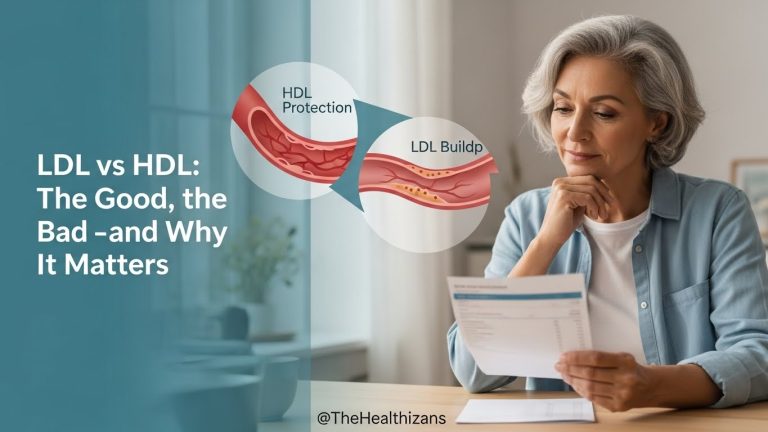
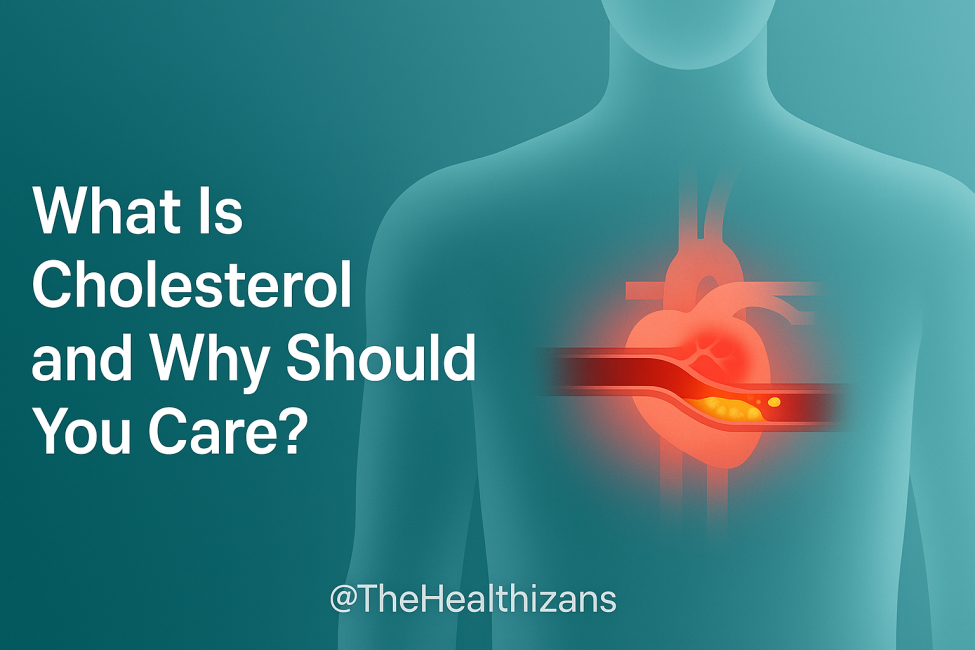
LDL cholesterol is the form most people are warned about. When LDL levels rise too high, cholesterol can settle along artery walls and gradually form plaques. Over time, these plaques narrow the arteries, restrict blood flow, and increase the risk of heart attack and stroke.
HDL cholesterol, on the other hand, acts as a cleaner. It helps transport excess cholesterol back to the liver so it can be broken down. Higher HDL levels are generally linked to lower cardiovascular risk.
Triglycerides — another form of fat in the bloodstream — add to the problem when elevated, particularly when combined with high LDL or low HDL. They often rise with a high-sugar diet, excessive alcohol intake, untreated diabetes, or weight gain.
Taken together, these numbers tell your healthcare team how well your body is managing fats and whether you may be heading toward long-term cardiovascular issues.
Why High Cholesterol Is a Global Concern
High cholesterol rarely causes symptoms, which is why many people do not realise anything is wrong until they experience chest pain, a stroke, or a cardiac emergency.
Globally, the burden is significant. The World Health Organization estimates that raised cholesterol contributes to 2.6 million deaths every year. In the UK, the NHS reports that nearly four in ten adults have high cholesterol, though many remain undiagnosed. Rapid urbanisation, processed foods, and increasingly sedentary lifestyles have pushed cholesterol levels up in cities across Africa and Asia as well, with studies showing a 25–35% rise in the last decade alone.
Understanding what cholesterol is and why you should care is the first step toward preventing these silent risks.
How Cholesterol Becomes Harmful
Problems arise when too much LDL cholesterol circulates in the blood. Over time, it begins to cling to the inner lining of the arteries. This build-up, known as atherosclerosis, slowly reduces the space for blood to flow. The process can continue for years without discomfort or warning.
As arteries narrow, blood pressure rises. If a plaque ruptures, a clot may form and suddenly block blood flow entirely — the event we recognise as a heart attack or stroke. This slow, silent progression explains why regular cholesterol checks are so important, even for people who feel well.
You can learn more about how cholesterol affects the cardiovascular system in our related article:
How Are Blood Pressure, Cholesterol, and Heart Health Connected?
Can You Control Your Cholesterol?
In many cases, yes. While medication such as statins may be necessary for some individuals, lifestyle changes form the foundation of cholesterol management.
A diet emphasising healthy fats — such as those found in olive oil, avocados, nuts, and seeds — supports better cholesterol balance. Regular physical activity, even brisk walking for 30 minutes most days, can raise protective HDL and lower LDL. Maintaining a healthy weight, avoiding smoking, and moderating alcohol intake all contribute to healthier cholesterol levels.
For some people, however, high cholesterol is strongly genetic. Familial hypercholesterolaemia (FH) causes very high LDL levels from childhood. In these cases, lifestyle steps help, but medication is usually essential to reduce lifelong risk.
A Global Look at Everyday Foods
Cholesterol management isn’t about abandoning cultural foods; it’s about preparing them in healthier ways. Deep-fried snacks, fatty red meats, full-fat dairy, and highly processed meals are common contributors across many regions. Yet traditional ingredients in African, Asian, and Mediterranean cuisines — such as leafy vegetables, legumes, fish, whole grains, millet, beans, and lean proteins — naturally support better heart health.
Simple swaps such as grilling instead of deep-frying, choosing lighter oils in moderation, or filling half the plate with vegetables can significantly improve cholesterol levels without sacrificing cultural identity or flavour.
Final Thought
Cholesterol is not something to fear — it is something to understand. By knowing what cholesterol is and why you should care, you give yourself the chance to prevent disease rather than react to it. With awareness, regular check-ups, and small daily choices, you have the power to protect your heart and improve your long-term health.
Sources
- World Health Organization – Raised Cholesterol Factsheet
- NHS – Cholesterol and Heart Health
- Journal of Global Health (2023) – Urbanisation and Cardiovascular Risk in Low-to-Middle Income Countries
- British Heart Foundation – Cholesterol Statistics and Trends
About the Author