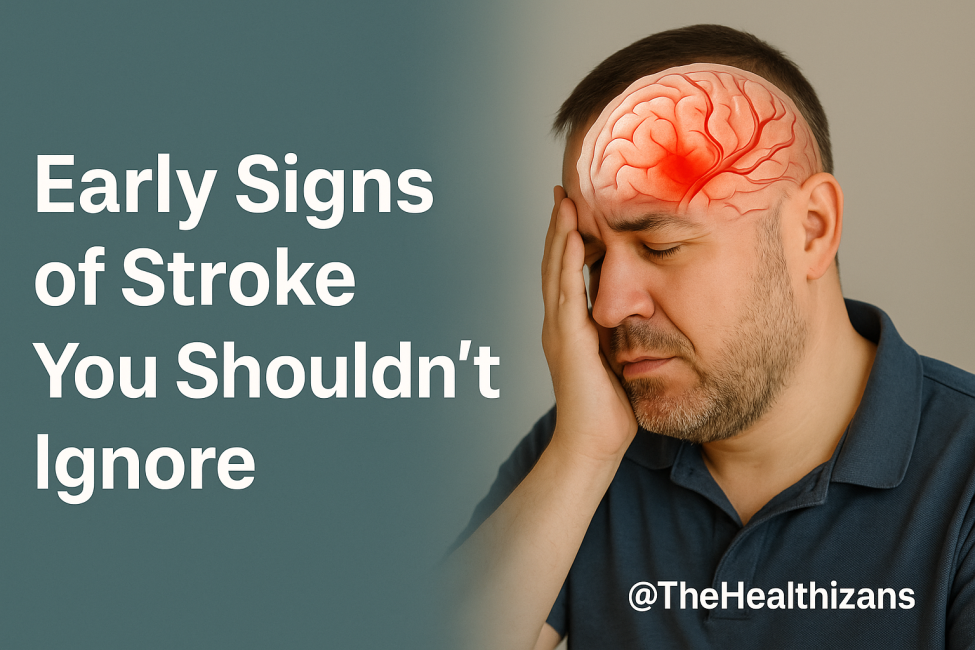
Strokes don’t always begin with dramatic symptoms. While many people only recognise a stroke once someone can’t speak or lift an arm, the truth is that the body often gives early warning signs long before the emergency. Recognising these subtle changes can mean the difference between quick treatment and life-altering disability.
Understanding the early signs of stroke you shouldn’t ignore empowers you to act before major brain damage occurs — whether it’s happening to you, a family member, or someone nearby.
For FAST emergency signs, you can also read our article:
👉 How to Spot a Stroke Fast and Act in Time
But this guide focuses on the early, subtle, often-missed symptoms that people experience hours, days, or even weeks before a major stroke.
Why Early Detection Matters
A stroke happens when part of the brain is suddenly deprived of blood — either due to a blockage (ischaemic stroke) or bleeding (haemorrhagic stroke). But in many cases, the brain experiences “mini-episodes” beforehand, where blood flow temporarily drops.
These episodes, called Transient Ischaemic Attacks (TIAs) or “mini strokes,” often resolve within minutes. Because symptoms disappear quickly, people ignore them — but they are one of the strongest predictors of a major stroke within days.
Catching these early signs can save brain cells, save independence, and save lives.
Subtle Early Signs You Should Never Ignore
The early signs of stroke are often vague or easily mistaken for stress, tiredness, or low blood sugar. That’s why awareness is essential.
1. Sudden Changes in Vision
Vision may suddenly blur, dim, or disappear in one or both eyes. Some people describe it as a “curtain” coming down or sudden double vision.
2. Sudden, Severe Headache With No Known Cause
This is especially important if the headache is unlike anything you’ve had before. It may signal bleeding in the brain and should be treated urgently.
3. Brief Episodes of Slurred Speech or Confusion
You might struggle to find the right words, understand what someone is saying, or speak clearly — even if the episode lasts only seconds.
4. Sudden Numbness, Tingling, or Weakness
Especially on one side of the body — face, arm, or leg. Even a fleeting feeling that your arm or leg is “not responding” is a red flag.
5. Trouble Walking or Unexplained Dizziness
You may feel suddenly unbalanced, light-headed, or unable to coordinate your steps.
6. A TIA — The Most Important Warning Sign
A TIA often mimics a stroke but resolves quickly. Symptoms may last minutes and then disappear.
Waiting to “see if it goes away” is one of the most dangerous mistakes.
A major stroke often follows within 48 hours.
Who Is at Higher Risk?
Anyone can experience early signs of stroke, but risk is higher if you have:
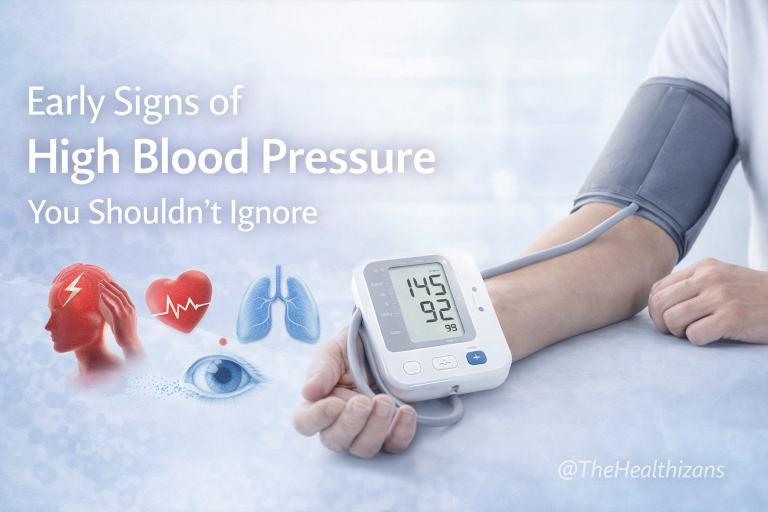
- High blood pressure
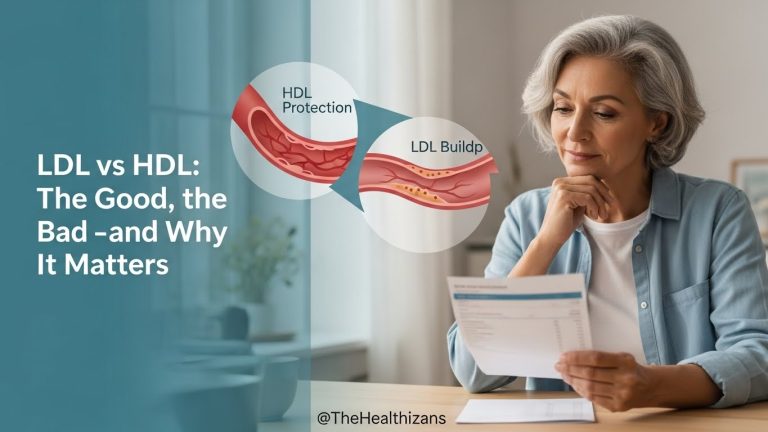
- High cholesterol
- Diabetes or high blood sugar
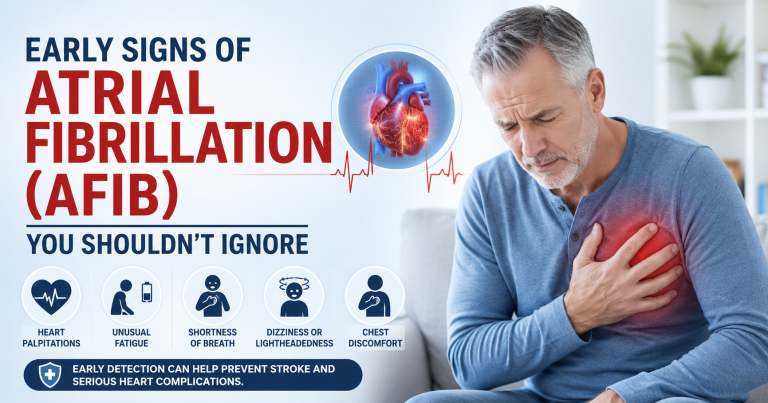
- Heart rhythm problems (e.g., atrial fibrillation)
- Excessive alcohol or smoking habits
- A previous TIA or stroke
- A family history of cardiovascular disease
Managing these risks can significantly lower your chances of stroke.
When to Get Help
If any of these symptoms appear — even briefly — treat it as a medical emergency.
Call emergency services immediately.
Do not wait for symptoms to worsen or hope they disappear. A stroke can escalate in minutes.
Remember, if major symptoms appear, follow the FAST test:
Face drooping, Arm weakness, Speech difficulty, Time to act.
Prevention: Your Strongest Defence
Up to 80% of strokes are preventable. You can protect your brain by:
- Keeping blood pressure, cholesterol, and blood sugar under control
- Eating a heart-healthy diet
- Staying physically active
- Avoiding smoking and reducing alcohol
- Attending routine health screenings
Small improvements in lifestyle can dramatically reduce stroke risk — especially when started early.
Final Thought
A stroke doesn’t always arrive suddenly — the body often whispers before it screams. Recognising the early signs of stroke you shouldn’t ignore gives you the power to act before irreversible damage occurs.
Awareness isn’t just knowledge — it’s protection.
Sources
- NHS — Stroke Symptoms and TIA
- World Stroke Organization — Warning Signs and Prevention
- American Stroke Association — TIA and Stroke Warning Signs
- Lancet Neurology — Early Clinical Predictors of Stroke (2023)
About the Author