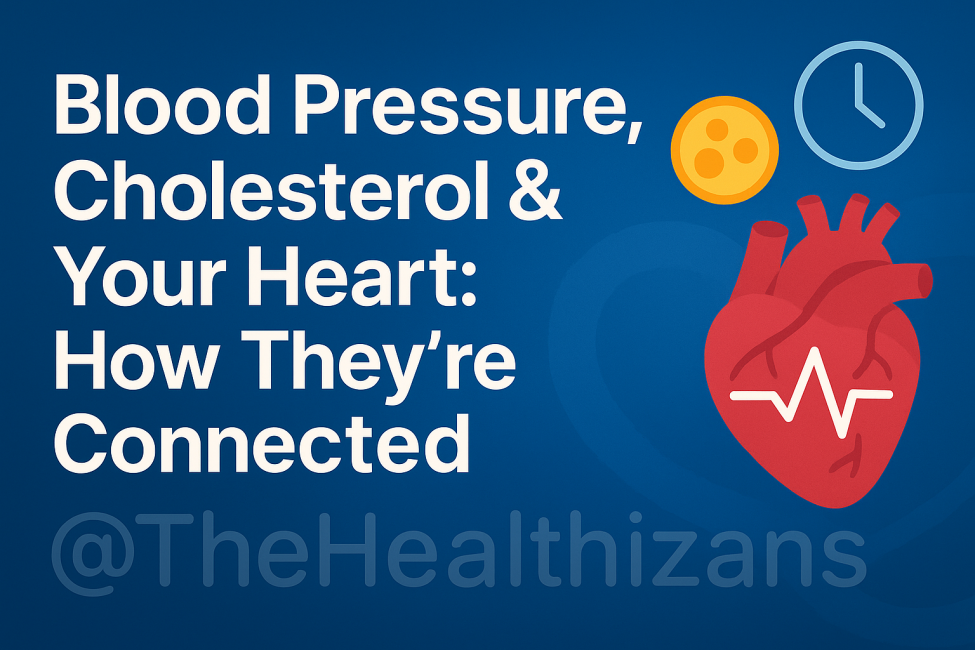
High blood pressure and high cholesterol are two of the most widespread health issues globally. However, many people don’t realise how strongly they work together to influence overall heart health. Understanding how Blood Pressure, Cholesterol, and Heart Health are Connected early can help you prevent heart disease, stroke, and long-term complications before they begin.
🧠 Why These Three Are So Closely Linked
Your heart and blood vessels operate as a single, interconnected system. Therefore, when either blood pressure or cholesterol becomes unbalanced, the entire cardiovascular network is affected.
To understand this better, remember that:
- Cholesterol influences the structure and flexibility of your arteries, while
- Blood pressure affects the force of blood pushing through those arteries.
Ultimately, the relationship between the two determines how hard your heart must work — and how healthy it remains over time.
🩸 1. Cholesterol: The Building Blocks Inside Your Arteries
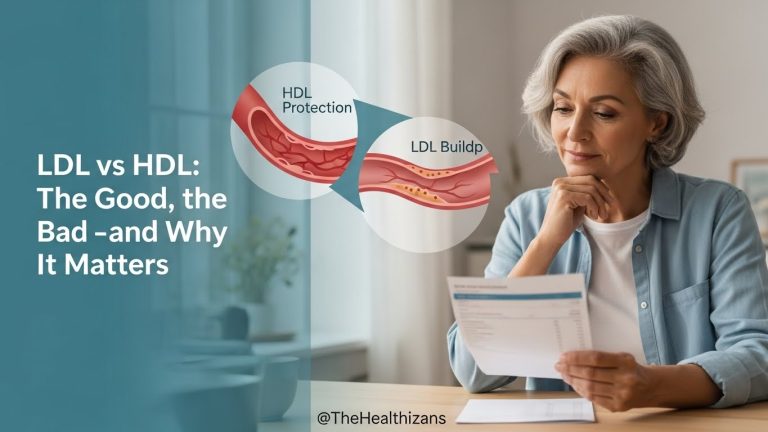
Cholesterol isn’t entirely harmful; your body needs it to function. Nevertheless, when LDL (“bad”) cholesterol becomes too high, it begins to accumulate inside your artery walls, forming fatty deposits known as plaques.
Over time, these plaques:
- Narrow blood vessels
- Reduce blood flow
- Make arteries stiff and less flexible
This process, called atherosclerosis, is a major driver of heart disease.
For more on foods that protect your arteries, you may find our article helpful:
👉 Which Foods Naturally Protect Your Heart and Improve Circulation?
💥 2. Blood Pressure: The Force That Pushes Against Those Walls
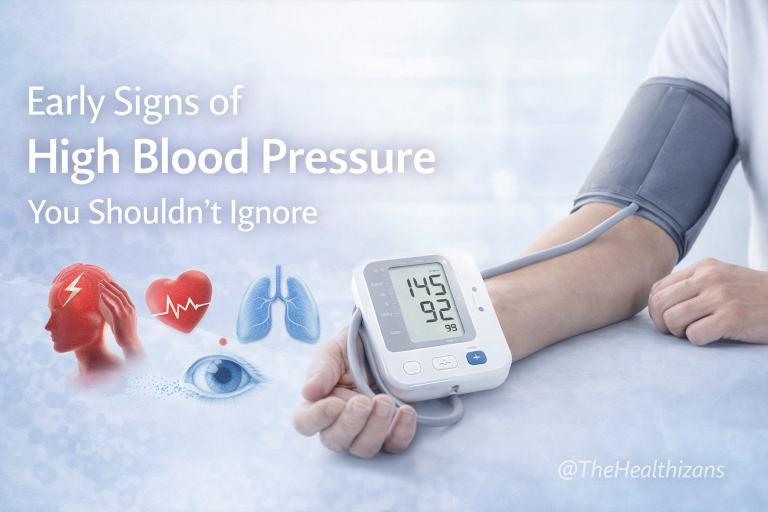
High blood pressure (hypertension) means your heart is pumping with more force than normal.
If your arteries are already narrowed by cholesterol plaques, this pressure becomes even more dangerous.
As a result, the increased force:
- Damages artery walls
- Creates tiny tears that attract even more cholesterol
- Makes plaques more likely to rupture
- Forces the heart to work harder to maintain circulation
✨ In other words: high blood pressure + high cholesterol = double stress on your heart.
To understand why blood pressure matters so much, see our detailed explainer:
👉 Why Is High Blood Pressure the Leading Cause of Stroke?
❤️ 3. How This Leads to Heart Disease
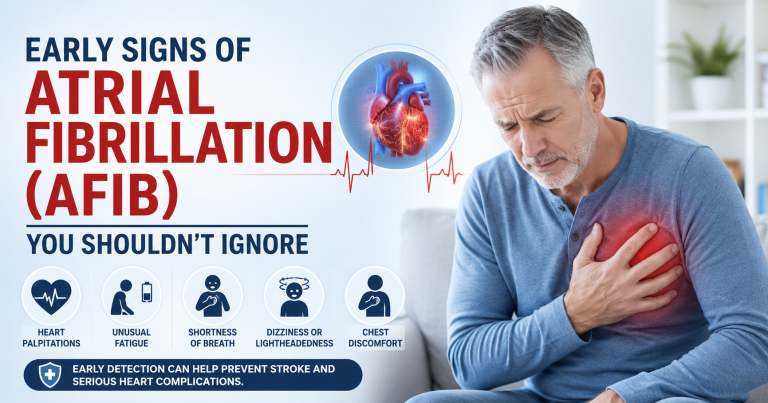
When elevated cholesterol and hypertension occur together, they significantly increase your risk of:
- Heart attack — when a clot blocks blood flow to the heart
- Stroke — when a clot travels to the brain or a vessel bursts
- Heart failure — when the heart weakens from constant pressure
- Peripheral artery disease (PAD) — affecting legs and circulation
Because these risks overlap, managing both conditions at the same time is essential for long-term heart protection.
For early recognition of stroke symptoms, you may find our FAST guide particularly useful:
👉 How Can You Spot a Stroke FAST and Act in Time?
🌍 NHS & Global Health Perspective
The NHS highlights that treating blood pressure alone is not enough — cholesterol management must occur in parallel.
Similarly, the World Health Organization (WHO) lists hypertension and high cholesterol among the top global causes of heart disease deaths.
In addition, millions of adults are living with both risks without knowing it, making regular screening even more critical.
🛡 How to Protect Your Heart
Although these risks sound serious, the good news is that you can take several effective steps to protect your cardiovascular health.
1. Check your numbers regularly – Regular monitoring allows early detection and timely treatment.
2. Eat a heart-healthy diet – Focus on foods that support healthy vessels and reduce inflammation.
3. Stay active – As little as 150 minutes per week can reduce both BP and cholesterol levels.
4. Quit smoking – Smoking accelerates plaque buildup and increases blood pressure.
5. Take medications if prescribed – Statins, antihypertensives, and antiplatelets significantly lower heart attack and stroke risk. Above all, never stop them without medical advice.
💬 What’s Your Take?
Do you know your most recent blood pressure or cholesterol numbers?
Share your thoughts below — your awareness could motivate someone else to take action today.
📚 Sources
- NHS – High Blood Pressure
- NHS – High Cholesterol
- World Health Organization – Cardiovascular Disease
- American Heart Association – Cholesterol & Heart Disease
About the Author