Introduction: Let’s Make Fitness Less Scary
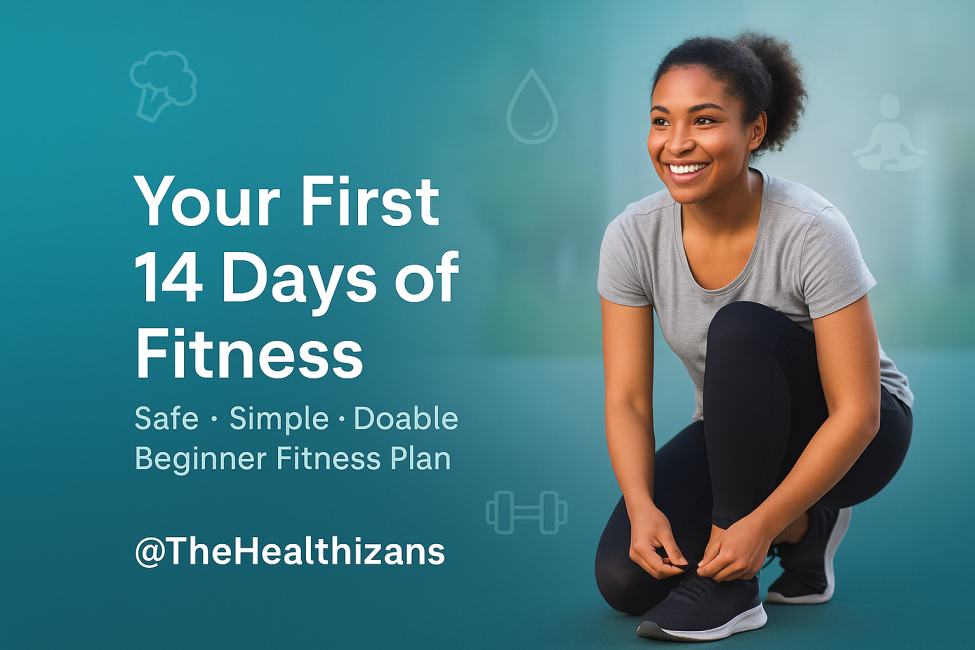
Starting a fitness journey can feel intimidating — too many exercises, too many “rules.” But the truth is, your body doesn’t need perfection; it just needs movement. This beginner fitness plan is designed to help you start safely, build confidence, and make exercise a natural part of your day.
Whether you’re returning after a long break, starting from scratch, or balancing a busy schedule, this plan focuses on small wins that add up. You don’t need a gym — just your body, a few minutes a day, and a willingness to begin.
🩺 Step 1: Check You’re Ready to Begin
Before you dive in, it’s important to make sure your body’s ready. A few quick checks:
✅ You can walk up a flight of stairs without severe breathlessness.
✅ No unexplained chest pain, dizziness, or fainting spells.
✅ No recent injuries limiting movement.
⚠️ If you’re unsure about anything, it’s always best to check with your GP or a qualified health professional first.
🚦 Step 2: Learn the Green–Amber–Red Rule
One of the smartest things you can do as a beginner is listen to your body. This simple traffic-light guide can help:
🟢 Green – Go:
Mild muscle ache, light sweat, steady breathing — safe to continue.
🟠 Amber – Pause:
Sharp pain, unusual fatigue, or new dizziness — take a break and reassess.
🔴 Red – Stop:
Chest pain, severe breathlessness, or fainting — stop immediately and seek medical help.
This isn’t just about safety — it’s about building body awareness, a skill that will guide you throughout your fitness journey.
🗓️ Step 3: Your 14-Day Beginner Fitness Plan
Here’s a simple two-week plan designed to build the habit safely and gradually. Each session takes 10–15 minutes — short enough to fit into your day, but powerful enough to create momentum.
| Day | Focus | Activity |
| 1 | Cardio | 10-min brisk walk + 2-min plank practice |
| 2 | Recovery | Light stretching or gentle yoga |
| 3 | Strength | 10-min circuit: squat to chair, wall push-ups, hip bridge |
| 4 | Rest | Take a light walk or stretch |
| 5 | Cardio | 12-min walk (1-min brisk / 1-min easy intervals) |
| 6 | Strength | Repeat circuit twice |
| 7 | Mobility | 5-min hip + shoulder stretches |
| 8 | Cardio | 12-min brisk walk + 2-min plank |
| 9 | Recovery | Gentle yoga or deep breathing |
| 10 | Strength | Circuit three rounds |
| 11 | Rest | Take it easy |
| 12 | Cardio | 15-min walk with intervals |
| 13 | Strength + Mobility | Circuit + full-body stretch |
| 14 | Reflection | Celebrate progress and plan next steps! |
👉 Tip: Use your phone calendar or print a grid to tick off each day. Small checkmarks can be incredibly motivating!
💪 Step 4: Focus on Consistency, Not Perfection
The biggest secret to success in any beginner fitness plan isn’t intensity — it’s consistency. Even when motivation fades, discipline through small steps keeps you moving forward.
Try these simple consistency hacks:
- The 2-Minute Rule: Promise yourself to start for just two minutes — you’ll often keep going longer.
- Habit Stacking: Link your workout to an existing routine (e.g., after brushing your teeth, do five squats).
- Progress Tracking: Note how you feel, not just what you do. More energy, better mood, easier stairs — all count as wins!
Also, check out our article on Building Daily Routines That Actually Stick for more tips on staying consistent.
🧘 Step 5: Recovery and Self-Care
Rest days aren’t lazy days — they’re essential for your body to repair and grow stronger. Gentle stretching, mobility flows, or a mindful walk can help recovery while keeping you active.
If you often feel tight or stiff, our guide on Mobility for Stiff Hips, Back, and Shoulders offers quick routines you can do anywhere.
❤️ Final Thoughts: Small Steps, Big Impact
Remember — fitness isn’t about chasing a perfect body. It’s about showing up for yourself each day. By following this 14-day beginner fitness plan, you’re not just moving your body — you’re training your mind to believe, “I can do this.”
So start small, stay kind to yourself, and celebrate every win. Consistency always beats perfection.
💬 What’s Your Take?
What’s your biggest challenge when starting a new workout routine — motivation, time, or confidence? Share your answer below and we’ll make a short reel to help you overcome it!
📚 Sources
- NHS UK. Get active your way — practical guidance on how adults can start moving more safely.
- World Health Organization (WHO). Global recommendations on physical activity for health — evidence-based global benchmarks for physical activity.
- American Heart Association. Recommendations for Physical Activity in Adults — detailed advice on safe activity levels and cardiovascular health.
- Harvard Health Publishing. Starting to Exercise: How to Begin a Fitness Routine — beginner-friendly strategies for building consistency.
About the Author