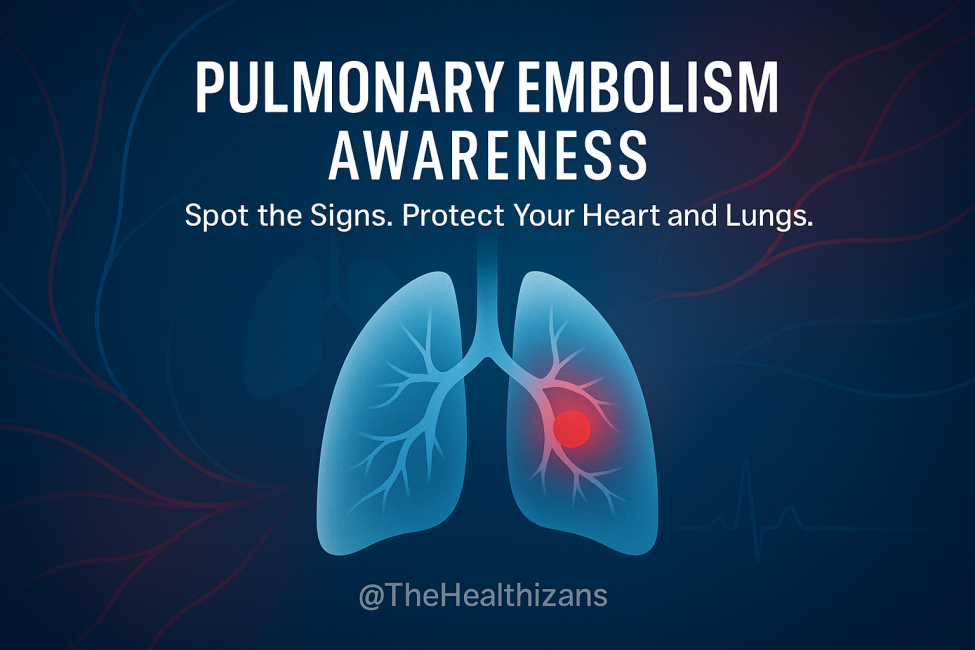
Pulmonary embolism is a life-threatening condition that occurs when a blood clot blocks one of the arteries in the lungs, reducing blood flow and oxygen supply. Although it can develop suddenly, it often begins silently as a clot in the leg — known as deep vein thrombosis (DVT) — that travels to the lungs. Understanding what causes it, recognising the symptoms early, and knowing how to prevent it can make a life-saving difference.
Also, check out our piece on Effective Strategies to Stop Smoking: From Patches to Apps, since smoking is one of the factors that increases your risk of pulmonary embolism.
🧬 What Exactly Happens in Pulmonary Embolism?
When a blood clot forms in the deep veins of your legs or pelvis and breaks loose, it can travel through the bloodstream and lodge in the lungs. This blocks blood flow, making it harder for oxygen to reach the rest of the body.
The heart then works harder to push blood through the obstructed vessels, sometimes leading to heart strain, low oxygen levels, or even sudden collapse if the blockage is large.
⚠️ Common Signs and Symptoms to Watch For
Symptoms of pulmonary embolism can appear suddenly or develop gradually. The most common include:
- Shortness of breath (often sudden and unexplained)
- Chest pain that worsens with deep breaths or coughing
- Cough, sometimes with blood-stained sputum
- Swelling or pain in one leg (sign of DVT)
- Rapid heartbeat or feeling light-headed
Because these symptoms can mimic other conditions like asthma or anxiety, medical assessment is crucial if they occur unexpectedly.
🧩 What Causes Pulmonary Embolism?
Several factors can increase the risk of blood clots that lead to PE, such as:
- Long periods of immobility — during long-haul travel or bed rest
- Recent surgery or hospital stay
- Pregnancy and postpartum period
- Smoking
- Obesity or sedentary lifestyle
- Hormonal birth control or hormone replacement therapy
- Inherited clotting disorders
These risks often overlap, making awareness and preventive care essential.
🛡️ How to Prevent Pulmonary Embolism
The good news is that pulmonary embolism can often be prevented through a few consistent lifestyle and health habits:
- Move regularly – Stand, stretch, or walk every hour during travel or desk work.
- Stay hydrated – Adequate water intake keeps blood flowing smoothly.
- Wear compression stockings – Especially during long flights or if advised by your doctor.
- Avoid smoking – It damages blood vessels and increases clot risk.
- Maintain a healthy weight and active lifestyle.
- Follow medical advice – If prescribed anticoagulants (blood thinners), take them as directed.
💬 Living with or Recovering from Pulmonary Embolism
Recovery from PE often involves anticoagulant medication for several months to prevent new clots. Regular follow-ups, gradual return to physical activity, and mental wellbeing support are all part of long-term management. Some people may experience post-PE syndrome, characterised by fatigue and breathlessness — making patience and self-care vital.
💡 Key Takeaway
Pulmonary embolism is serious but largely preventable. Early recognition, movement, and healthy circulation habits are the best defence. Remember — chest pain and shortness of breath are never symptoms to ignore. Seek medical help immediately if they appear suddenly.
💬 What’s Your Take?
Have you or someone you know experienced a blood clot or pulmonary embolism scare? How did you handle it? Share your thoughts in the comments — your story could help someone else spot the warning signs early.
🔗 Sources
- NHS. Pulmonary Embolism (PE) — https://www.nhs.uk/conditions/pulmonary-embolism/
- World Health Organization. Cardiovascular Diseases Fact Sheet — https://www.who.int/news-room/fact-sheets/detail/cardiovascular-diseases-(cvds)
- American Heart Association. Deep Vein Thrombosis and Pulmonary Embolism — https://www.heart.org/
About the Author