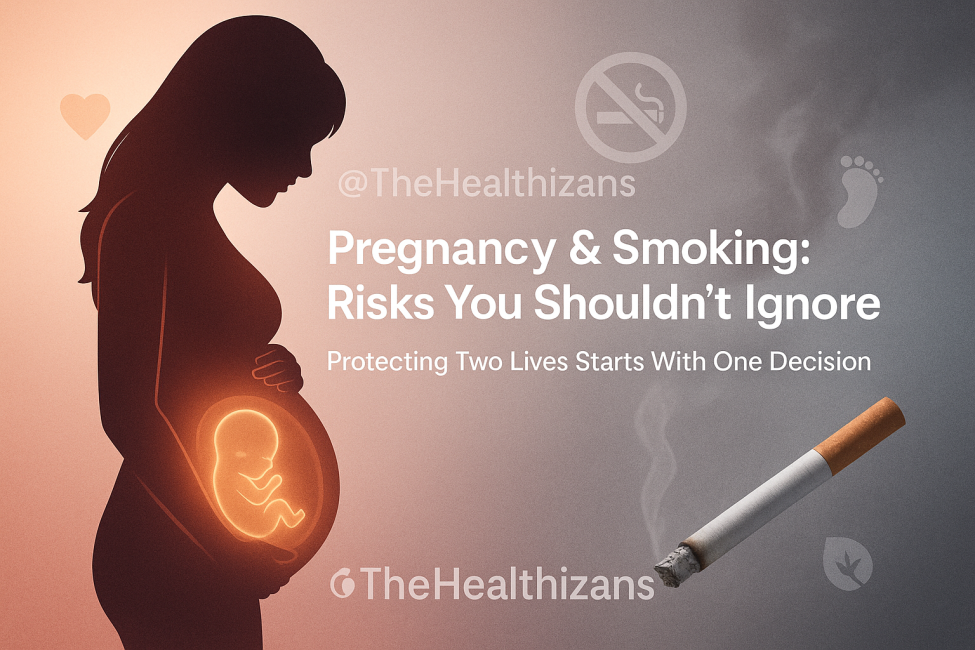
Pregnancy is one of the most delicate and transformative stages in a woman’s life. During this period, every choice — from nutrition to rest — deeply affects both the mother and the baby. Yet, one silent habit continues to put countless pregnancies at risk: smoking during pregnancy. While some women believe a few cigarettes won’t matter, the truth is that every puff sends harmful chemicals directly into the developing life within.
💨 What Really Happens When You Smoke During Pregnancy
When a pregnant woman smokes, over 4,000 toxic chemicals, including nicotine, carbon monoxide, and tar, travel through her bloodstream straight to the baby. Nicotine narrows blood vessels and reduces oxygen flow, while carbon monoxide competes with oxygen in the blood — meaning the baby receives less of the oxygen it desperately needs to grow.
Over time, this restricted oxygen supply can slow growth, increase the risk of low birth weight, and affect organ development. Even more concerning, it raises the chance of placental abruption, where the placenta detaches from the womb too early — a life-threatening situation for both mother and child.
👶 Long-Term Effects on the Baby
The effects of smoking during pregnancy don’t stop at birth. Babies born to mothers who smoke face higher risks of:
- Sudden Infant Death Syndrome (SIDS)
- Asthma and respiratory infections
- Behavioural and attention problems later in life
- Impaired lung function and growth
Even after birth, if a baby continues to be exposed to second-hand smoke, the risk of breathing difficulties, ear infections, and sudden cot death remains much higher.
❤️ How Quitting Changes Everything
Here’s the encouraging part — it’s never too late to quit. The moment a pregnant woman stops smoking, oxygen levels in her body and her baby’s body begin to rise. Within just 24 hours, carbon monoxide levels drop dramatically. And within a few weeks, circulation improves and the baby’s growth rate can begin to recover.
For mothers who find it difficult to quit, nicotine replacement therapy (NRT) may be considered under medical supervision. Patches, gum, or lozenges can reduce withdrawal symptoms and help make quitting more manageable — but they should only be used with a doctor’s guidance.
For practical tools and structured quit-support, also check out our article Effective Strategies to Stop Smoking: From Patches to Apps — it explains how combining medical support and digital tools can make quitting smoother and more sustainable.
🌍 A Wider Public Health Concern
Globally, tobacco use during pregnancy remains a major issue. The World Health Organization (WHO) estimates that up to 10% of pregnant women smoke, with higher rates in some regions. These figures highlight how essential community education and support programmes are in protecting maternal and child health. When expectant mothers quit, the ripple effects extend far beyond their own families — they inspire healthier futures across generations.
💬 What You Can Do Today
If you’re pregnant or planning to be, and still smoke, know this: help is available. Speak with your midwife, GP, or pharmacist. Many healthcare systems — including the NHS Smokefree service — offer free counselling, text support, and quit-plans specifically designed for pregnant women.
The earlier you quit, the better the outcome. But even quitting halfway through pregnancy can still make a measurable difference in birthweight and lung health. Every smoke-free day is a victory for you and your baby.
✅ Final Thought
Pregnancy is a time to nurture, protect, and hope. Quitting smoking may be one of the hardest steps you’ll ever take — but it’s also one of the most powerful gifts you can give to your baby. From the very first breath they take, they’ll already be benefiting from your courage to change.
💬 What’s Your Take?
Have you or someone you know tried quitting during pregnancy? What helped most — personal motivation, support groups, or professional help? Share your thoughts in the comments below 👇 — your story might inspire another mum-to-be to take the first step.
📚 Sources
- World Health Organization (WHO): Tobacco and Pregnancy – Key Facts
- NHS: Stop Smoking in Pregnancy
- Centers for Disease Control and Prevention (CDC): Smoking During Pregnancy
- American Lung Association: Pregnancy and Smoking
About the Author