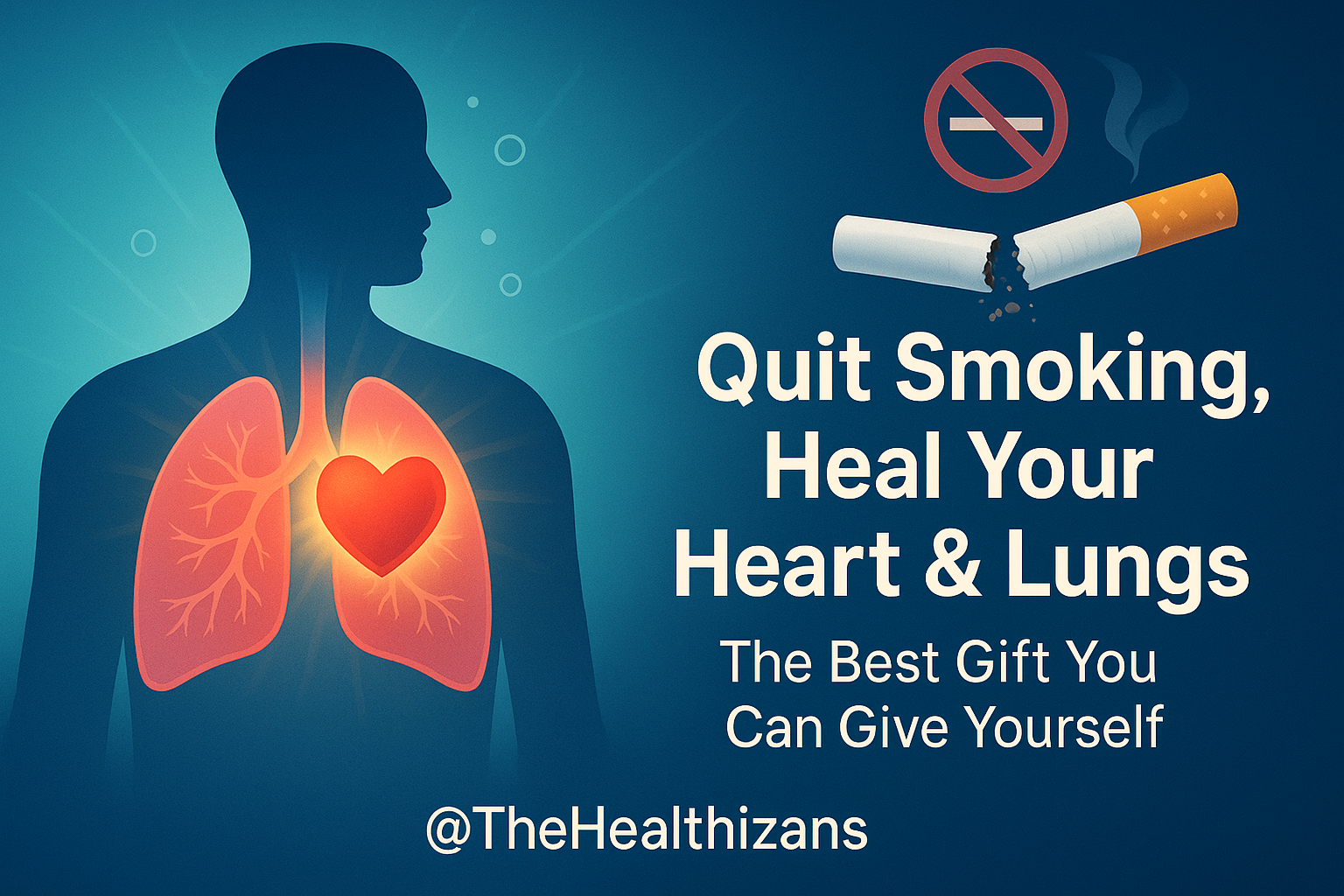
Think of your body as a house with two main pillars: your heart and your lungs. Every cigarette chips away at both — weakening your ability to breathe freely and putting constant pressure on your heart to work harder. The good news? The moment you quit, your body begins repairing itself.
🫁 Breathing Life Back Into Your Lungs
If you’ve ever walked up a flight of stairs and felt out of breath, smoking could be playing a role. The chemicals in cigarette smoke damage the delicate lining of your lungs, reducing their ability to exchange oxygen.
But here’s the hopeful part: within just 12 hours of quitting, your blood is carrying more oxygen again. Over weeks, you may notice less coughing and easier breathing. And year after year, your risk of diseases like chronic obstructive pulmonary disease (COPD) and lung cancer keeps falling. Quitting literally lets your lungs catch their breath.
❤️ A Heart That Beats Stronger
Your heart doesn’t escape the damage of smoking. Cigarettes make your blood stickier and your vessels narrower, a recipe for heart attacks and strokes. That’s why smokers are twice as likely to die from heart disease as non-smokers.
But quitting rewrites that story. Just 20 minutes after your last cigarette, your heart rate and blood pressure begin to return to normal. Within a year, your risk of a heart attack is cut in half. And with more years smoke-free, your heart health looks more and more like that of someone who never smoked.
🌍 More Than Just You: Protecting Loved Ones
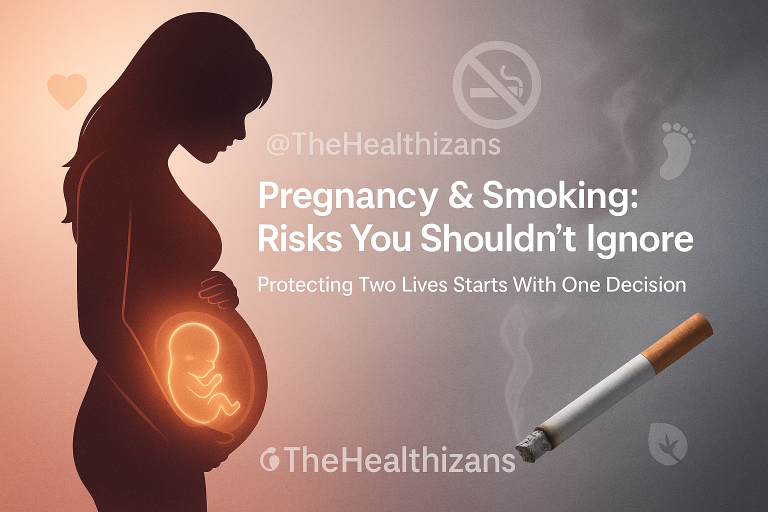
The impact of smoking isn’t limited to the smoker. Children exposed to second-hand smoke face higher risks of asthma and chest infections. Partners and friends are more likely to develop heart disease and lung cancer. Even babies are affected — second-hand smoke is linked to sudden infant death syndrome (SIDS). Quitting, therefore, is not only a personal choice, but a gift of protection to those you love.
🛠️ Finding the Right Support
Quitting can feel daunting, but you don’t have to go it alone. Many people find success with nicotine replacement therapy (like patches or gum), or with prescription medications that reduce cravings. Digital tools — like the NHS Smokefree app — offer daily encouragement, while support groups provide community when willpower alone feels stretched thin. Even small strategies, like replacing smoke breaks with short walks, can make the journey easier.
✅ Final Word
Quitting smoking is rarely easy, but it is always worth it. Your lungs begin to heal, your heart grows stronger, and your loved ones breathe cleaner air. Think of it not as giving something up, but as gifting yourself more years of life, better health, and freedom from addiction. That’s a gift no cigarette can match.
💬 What’s Your Take?
If you’ve tried quitting before, what made the biggest difference for you? And if you’re thinking of quitting now, what kind of support would help you most? Share below 👇 — your experience might be the lifeline someone else needs.
📚 Sources
- World Health Organization (WHO). Tobacco – Key Facts. 2024.
- NHS. Stop Smoking: Benefits of Quitting. 2023.
- American Heart Association. Why Quit Smoking? 2023.
- Centers for Disease Control and Prevention (CDC). Health Effects of Cigarette Smoking. 2023.
About the Author