We’ve all had those moments: sitting at your desk, staring at the screen, brain fog rolling in like a heavy cloud. You reach for coffee, maybe a sugary snack — but what if the real solution was much simpler? A glass of water.
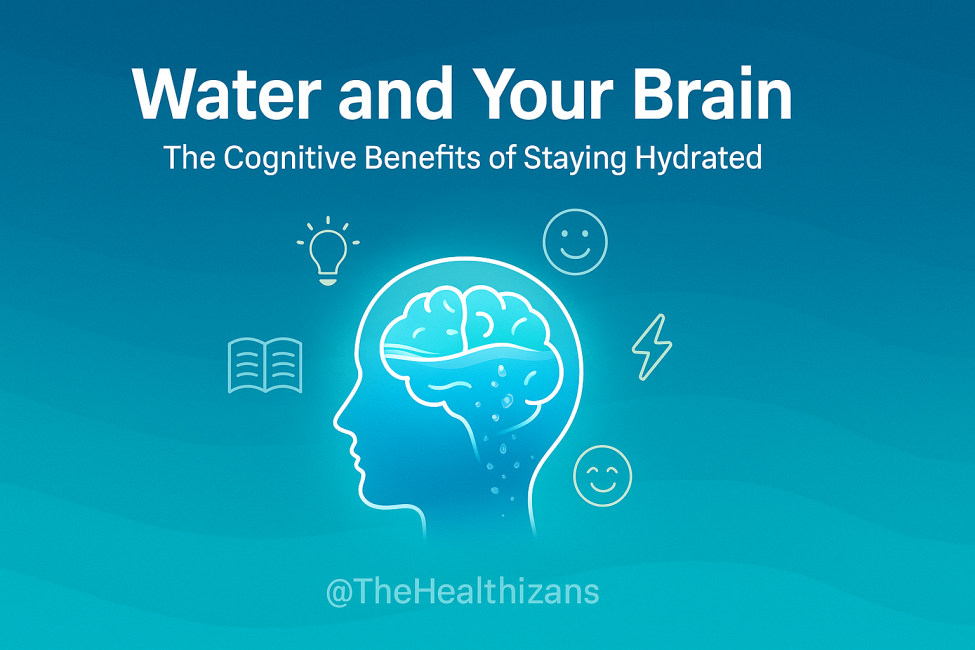
Your brain is one of the most water-hungry organs in the body. In fact, it’s about 75% water. That means even a small drop in hydration can leave you feeling sluggish, forgetful, and moody. Let’s dive into how water powers your mind — and why sipping regularly could be the easiest “brain boost” of all.
🌊 The Science of a Thirsty Brain
Water isn’t just sitting in your tissues — it’s the medium that makes thinking possible. Every electrical signal that zips between your brain cells, every chemical message carried by hormones and neurotransmitters, relies on a well-hydrated environment.
When your body loses just 1–2% of its fluid, your brain starts to struggle. Research from the University of Connecticut showed that mild dehydration makes people more tired, less focused, and less able to remember details. Children who drank water before school tests scored better on memory and attention tasks. And in older adults, consistently low fluid intake has been linked with a higher risk of cognitive decline.
In short: your brain doesn’t just prefer water — it depends on it.
🤯 How Dehydration Shows Up in Daily Life
Think about your last “off” day. Was it…
- A dull headache that wouldn’t go away?
- Difficulty concentrating during a meeting?
- That afternoon slump where even coffee didn’t help?
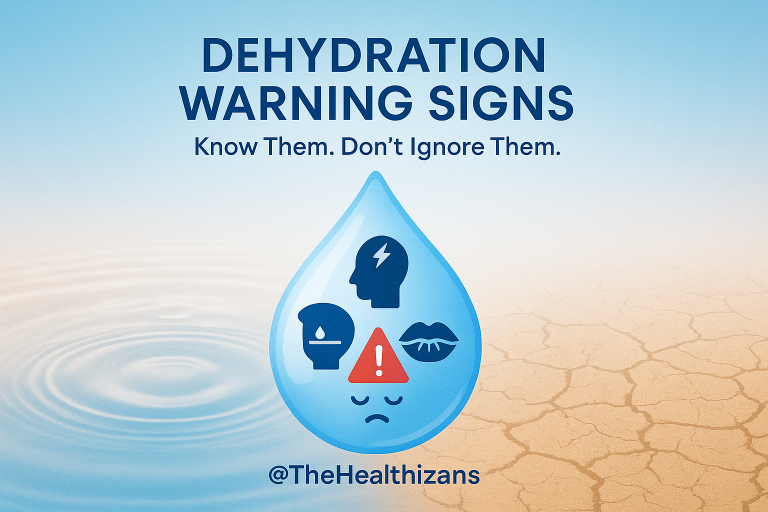
All of these are classic signs of a brain running low on water. The fatigue, the irritability, the fog — they’re not always stress or lack of sleep. Sometimes, it’s simply dehydration in disguise. Learn more about the full-body warning signs of dehydration here
🥤 Small Habits, Big Difference
The good news is that recharging your brain doesn’t take a fancy supplement or energy drink. It takes consistency:
- Start your day with water — after 7–8 hours without fluids, your brain is ready for a refill.
- Sip before you think hard — keep a bottle at your desk or study table, and take small drinks during deep work.
- Balance out coffee and alcohol — both increase fluid loss, so chase each cup with water.
- Snack smart — watermelon, cucumbers, and oranges give your brain a hydration bonus with natural glucose for fuel.
These aren’t big lifestyle overhauls — they’re tiny, practical tweaks that keep your mind sharper. Wondering how much water you personally need to fuel your brain each day? Check out our guide here for daily hydration targets by age, gender, and lifestyle.
🌍 Hydration Wisdom from Around the World
Different cultures have long tied hydration to mental clarity. In Japan, many people practise “morning water therapy” — drinking water immediately upon waking to energise the body and mind. In China, workplaces often serve warm tea throughout the day, keeping staff both hydrated and calm. And in Mediterranean countries, water-rich foods like tomatoes, grapes, and melons are part of almost every meal.
The message is universal: clear mind, steady mood, better performance — all supported by steady hydration.
✅ Quick Recap
Staying hydrated isn’t just about avoiding dry skin or fatigue. It’s about giving your brain what it needs to do its job well. Every thought, every decision, every memory relies on water.
So next time brain fog sets in, before reaching for caffeine or sugar, try reaching for a glass of water. It may be the simplest “mental clarity hack” you’ll ever need.
💬 What’s Your Take?
Do you notice a difference in your focus when you’re properly hydrated?
Have you tried “morning water” or other cultural hydration rituals? Share your experience — and tag @TheHealthizans so we can feature your hydration tips.
📚 Sources
- Armstrong LE et al. Mild Dehydration Affects Mood in Healthy Young Women. Journal of Nutrition, 2012.
- Edmonds CJ, Jeffes B. Children’s Cognitive Performance Improved After Drinking Water. Appetite, 2009.
- NHS – Hydration and Health.
- WHO – Water, Hydration, and Human Performance.
About the Author