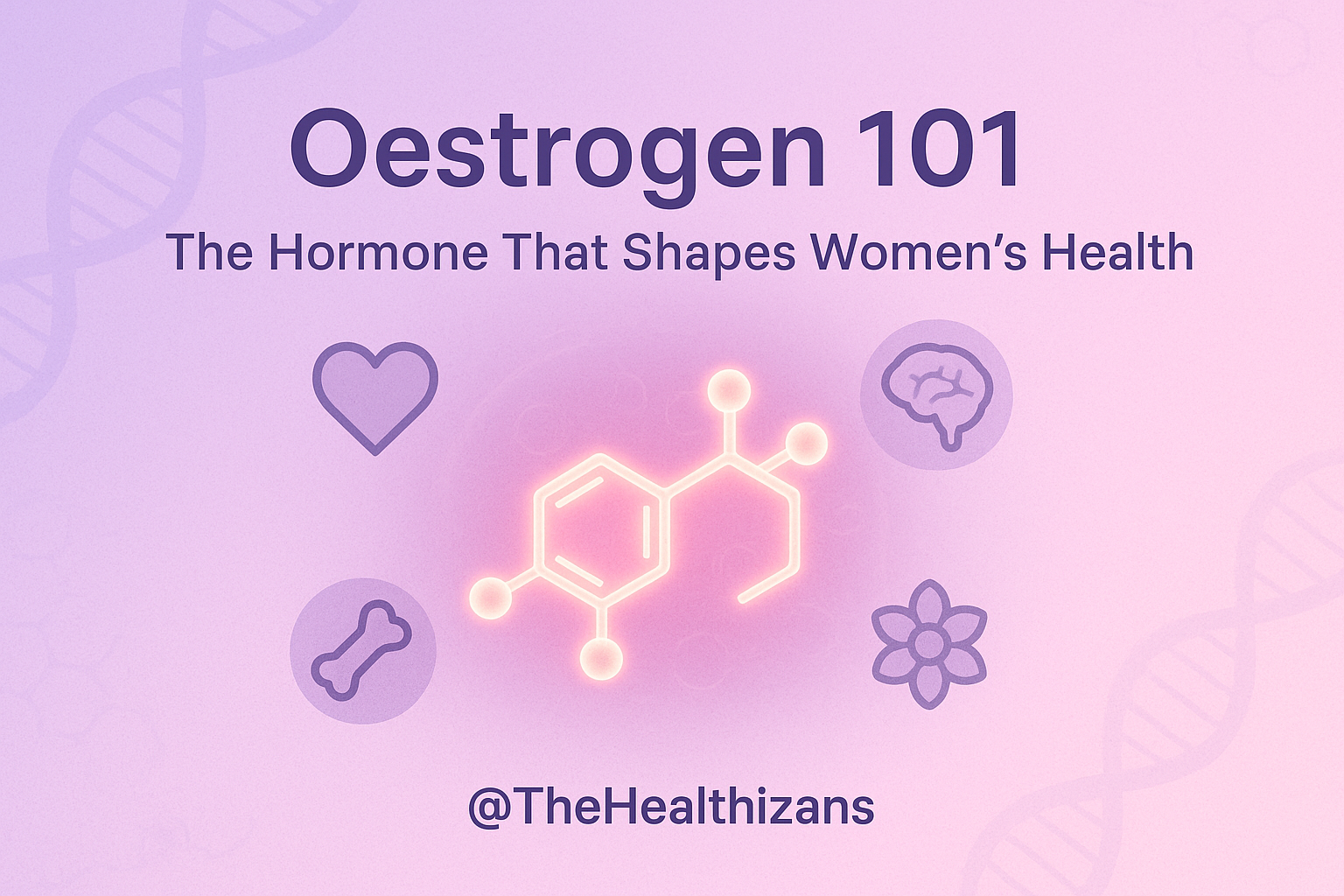
Oestrogen is more than just a “female hormone.” It plays a vital role in shaping reproductive health, bone strength, brain function, heart protection, and even mood regulation. Both women and men produce it — though in different amounts. Understanding how oestrogen works, and what happens when its levels change, can help you take proactive steps for your health.
🔬 What Exactly Is Oestrogen?
Oestrogen is a group of hormones that regulate many functions in the body. In women, it’s produced mainly by the ovaries, but also in smaller amounts by the adrenal glands and fat tissue. In men, it’s present at lower levels and contributes to sperm production, bone health, and brain function.
Types of oestrogen include:
- Oestradiol – the strongest form, dominant during reproductive years.
- Oestrone – the main type after menopause.
- Oestriol – important during pregnancy.
🌍 What Oestrogen Does in the Body
Oestrogen influences much more than periods and pregnancy:
- Reproductive Health: Regulates menstrual cycles, supports fertility, and prepares the uterus for pregnancy.
- Bone Health: Helps maintain bone density — low levels increase osteoporosis risk.
- Heart Protection: Keeps blood vessels flexible and supports healthy cholesterol balance.
- Brain & Mood: Supports memory, concentration, and emotional balance.
- Skin & Hair: Aids collagen production, giving skin elasticity and shine to hair.
⚖️ When Oestrogen Levels Go Out of Balance
Too little or too much oestrogen can affect health in different ways.
🔻 Low Oestrogen (often in perimenopause/menopause):
- Hot flushes & night sweats
- Vaginal dryness
- Mood changes
- Bone loss (osteoporosis)
- Increased heart disease risk
🔺 High Oestrogen (can occur with obesity, certain conditions, or HRT misuse):
- Weight gain
- Heavy or irregular periods
- Fibroids
- Increased risk of certain cancers (breast, ovarian, endometrial)
🥗 Can Food Influence Oestrogen?
Yes — some foods contain phytoestrogens, plant compounds with mild oestrogen-like effects:
✅ Sources: soya products, flaxseeds, chickpeas, lentils, sesame seeds.
⚖️ Evidence is mixed: some studies suggest benefits for menopausal symptoms and bone health, while others raise questions about hormone-sensitive cancers. Always discuss diet changes with your doctor if you have risk factors.
👨 Oestrogen and Men: Not Just a Women’s Hormone
Men need oestrogen too. Balanced levels support:
- Bone density
- Brain function
- Libido
But high oestrogen (often linked to obesity or certain medications) can cause low testosterone symptoms, infertility, and even breast tissue growth (gynaecomastia).
🩺 Takeaway
Oestrogen is a multi-tasking hormone that influences your whole body, not just reproduction. Understanding its role can help you recognise changes early and discuss them with your healthcare provider. Lifestyle, diet, and preventive screenings all play a part in keeping hormone balance in check.
🤔 What’s Your Take?
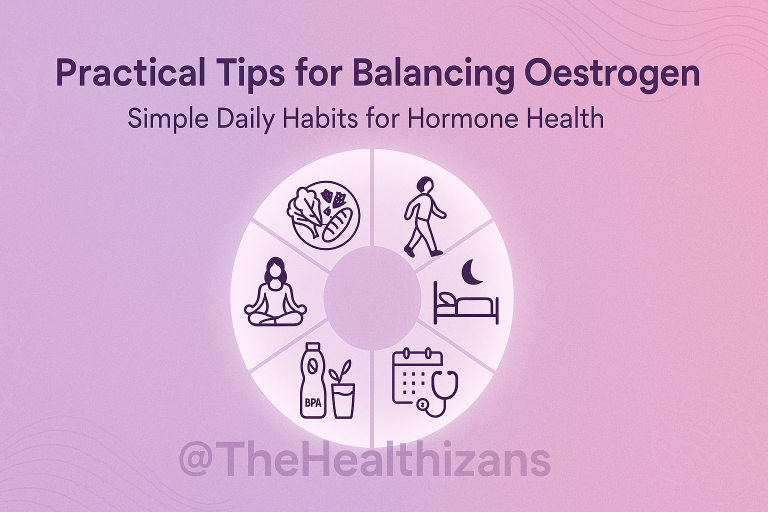
Have you noticed changes in mood, skin, or cycles that you think could be linked to hormones? Would you like us to explore practical tips for balancing oestrogen naturally in a follow-up article? Drop your thoughts in the comments
📚 Sources
- NHS. Menopause Overview. NHS, 2023. Available at: https://www.nhs.uk/conditions/menopause/
- National Institute on Aging (NIA). Hormones and Health. National Institutes of Health, 2021. Available at: https://www.nia.nih.gov/
- World Health Organization (WHO). Sex Hormones and Health Risks. World Health Organization, 2020. Available at: https://www.who.int/
- Harvard Health Publishing. The Role of Oestrogen in Women’s Health. Harvard Medical School, 2022. Available at: https://www.health.harvard.edu/
About the Author