Many people use acid reflux and heartburn as if they mean the same thing — but they don’t. Understanding the difference between acid reflux vs heartburn can help you manage symptoms more effectively and know when it’s time to see a doctor.
According to the NHS, acid reflux is among the most common digestive problems, affecting roughly 1 in 4 adults in the UK at some point in their lives. While mild or occasional symptoms are often harmless, frequent or severe episodes may signal a chronic condition called Gastro-Oesophageal Reflux Disease (GORD).
🩺 What Is Acid Reflux?
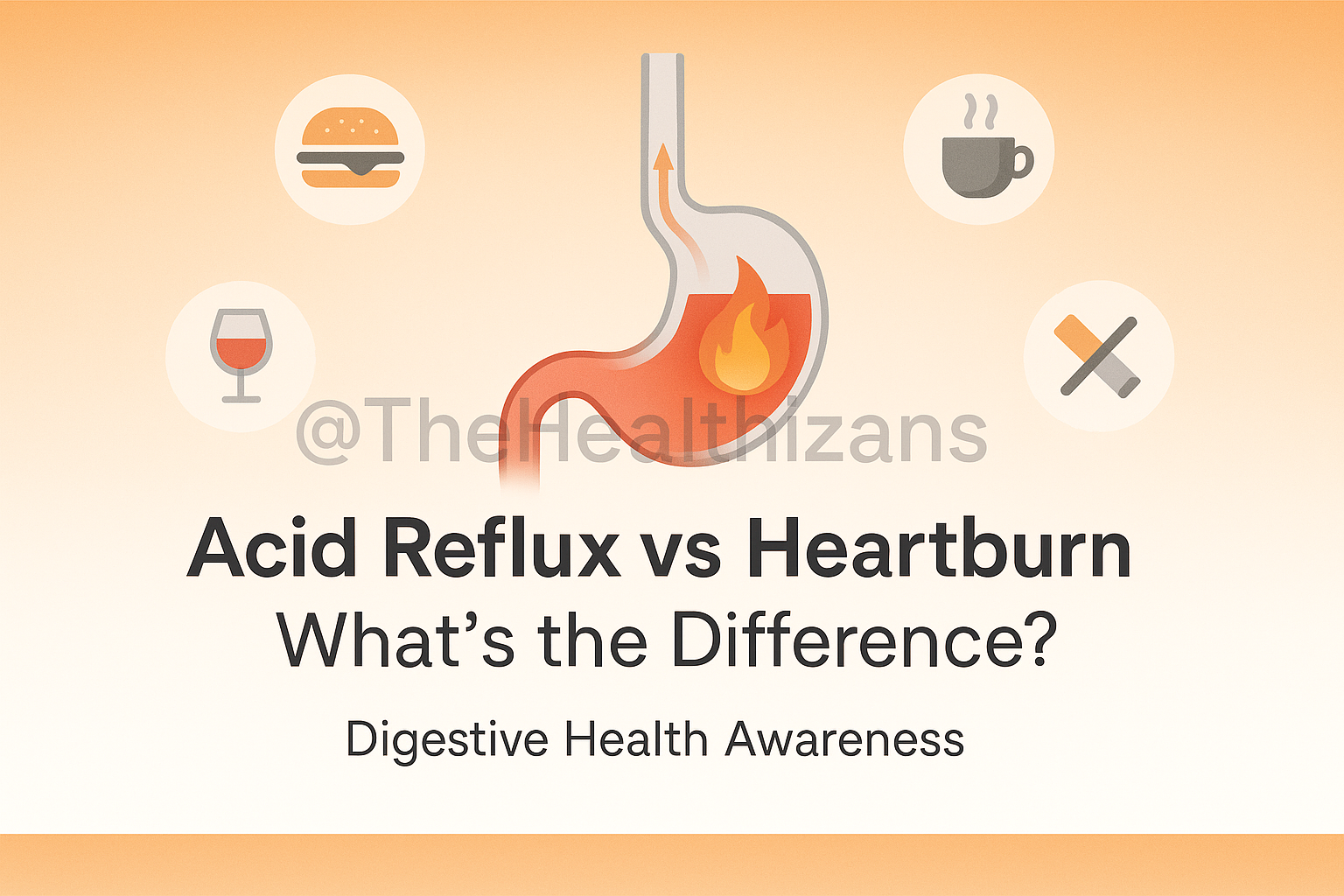
Acid reflux occurs when stomach acid flows backward into the oesophagus — the tube connecting your mouth and stomach. Normally, a muscular valve called the lower oesophageal sphincter (LES) keeps acid where it belongs. However, if this valve weakens or relaxes too often, acid can escape upward and irritate the oesophageal lining.
Common symptoms include:
- A sour or bitter taste in the mouth or throat
- Regurgitation of food or liquid
- Bloating, burping, or nausea
- Sore throat or hoarseness
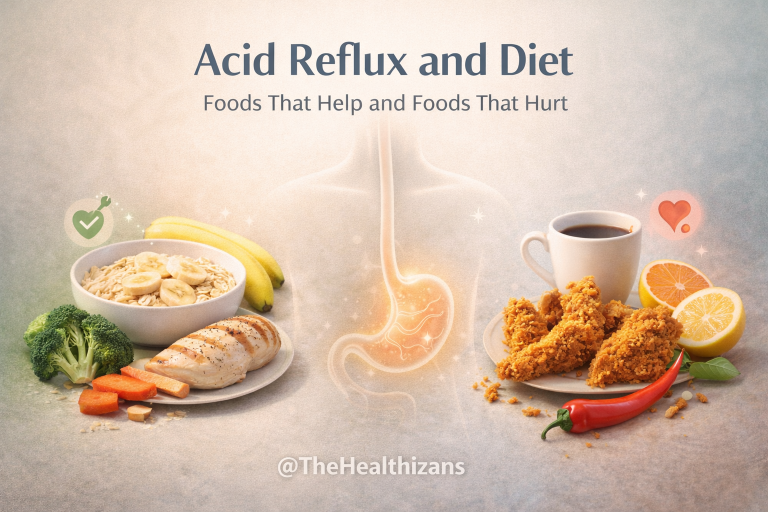
Acid reflux is often triggered by eating large meals, lying down too soon after eating, or consuming trigger foods such as caffeine, chocolate, or fried dishes.
💡 Tip: Your gut health plays a big role in how your body handles reflux. See our related post on Travel and Your Gut: How to Avoid Holiday Constipation or Traveller’s Diarrhoea to learn how habits affect digestive comfort.
🔥 What Is Heartburn?
Heartburn is not a condition — it’s a symptom of acid reflux. It’s that familiar burning sensation in the chest or throat caused by stomach acid irritating the oesophagus.
This discomfort often:
- Appears after eating or when lying down
- Feels worse after spicy or fatty meals
- Improves when you sit upright or take antacids
So while all heartburn comes from acid reflux, not everyone with reflux experiences heartburn. Some people may have reflux-related coughing, throat tightness, or even voice changes without any burning pain.
🤔 When Is It Just a Nuisance — or Something More?
Occasional reflux or heartburn is quite common — especially after festive meals, alcohol, or late-night snacks. However, when symptoms happen two or more times a week, it may indicate GORD (Gastro-Oesophageal Reflux Disease), a more serious and chronic form of reflux that can cause long-term irritation or damage to the oesophagus.
🚨 Red-flag symptoms that require medical attention:
- Difficulty swallowing
- Unexplained weight loss
- Persistent cough or wheezing
- Vomiting blood or black stools
If any of these occur, seek medical care promptly.
🌿 Relief and Prevention Tips
Simple lifestyle adjustments can make a big difference in reducing reflux and preventing heartburn flare-ups:
- Eat smaller, more frequent meals — avoid overfilling your stomach.
- Stay upright after meals — wait at least two to three hours before lying down.
- Identify trigger foods — cut back on spicy, fried, or acidic items, caffeine, chocolate, and alcohol.
- Maintain a healthy weight — excess weight puts pressure on the stomach.
- Elevate your bed head — raising your upper body 10–15 cm helps prevent night-time reflux.
- Quit smoking — nicotine weakens the lower oesophageal sphincter.
If lifestyle changes aren’t enough, healthcare professionals may suggest antacids, H₂ blockers, or proton pump inhibitors (PPIs) to control acid levels.
🌍 A Global Perspective
The pattern of acid reflux vs heartburn varies worldwide. In Western countries, diets high in processed food and sedentary lifestyles have made reflux increasingly common. Meanwhile, in Asia and Africa, reflux often appears as throat irritation or chronic cough rather than classic chest burning.
The World Gastroenterology Organisation (WGO) notes that effective treatment should consider local diets, meal patterns, and individual body types — reinforcing that digestive health isn’t one-size-fits-all.
✅ Key Takeaway
- Acid reflux is the condition where stomach acid flows into the oesophagus.
- Heartburn is the burning symptom caused by this acid backflow.
- Occasional reflux is normal, but frequent symptoms may mean GORD.
- Lifestyle awareness — from meal size to posture — is your best prevention strategy.
By understanding the real difference between acid reflux vs heartburn, you can take charge of your digestive comfort and protect your long-term health.
💬 What’s Your Take?
Do you get reflux after certain foods or drinks? Have you discovered any simple remedies that work for you?
Share your experience and tips with the @TheHealthizans community 👇
📚 Sources
- NHS – Acid Reflux and Heartburn (2023)
- American College of Gastroenterology – GORD Guidelines (2021)
- World Gastroenterology Organisation – Global Reflux Insights (2022)
- British Nutrition Foundation – Lifestyle and Digestive Health (2021)
About the Author