Most of us know the feeling: your stomach feels swollen, tight, or uncomfortable, especially after eating. Bloating is one of the most common digestive complaints, affecting up to 30% of people worldwide. For many, it’s just a passing nuisance, but for others it’s frequent, painful, and disruptive. While often harmless, persistent bloating can sometimes point to deeper gut issues that need attention.
🩺 What Exactly Is Bloating?
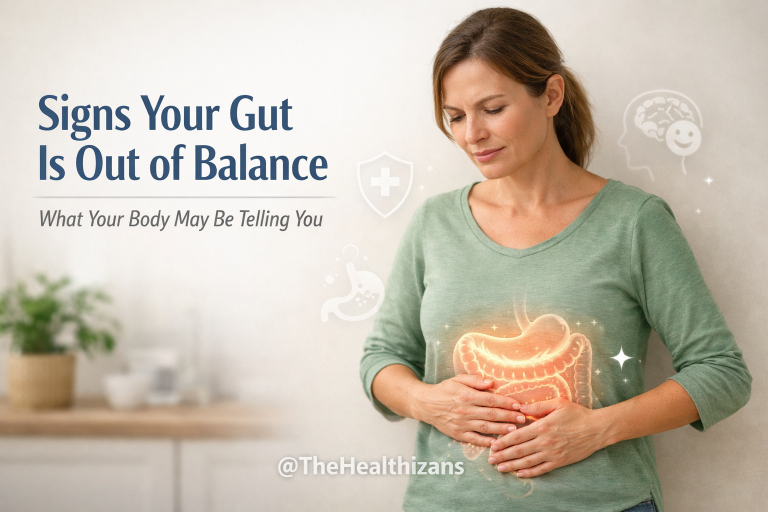
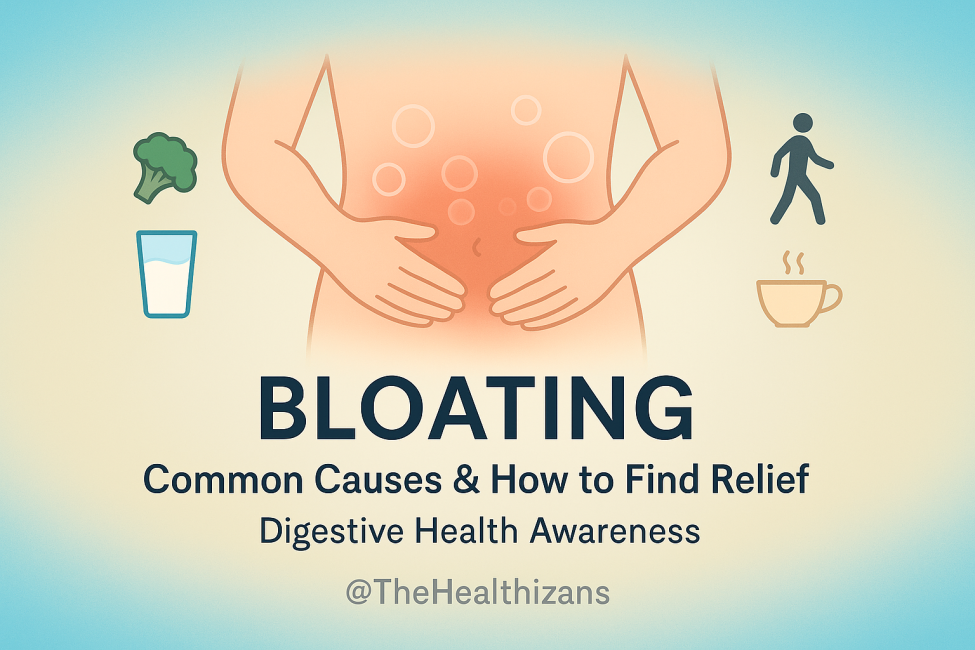
Bloating happens when the abdomen feels full, stretched, or gassy, often accompanied by discomfort or pressure. Unlike weight gain, bloating is usually temporary and can fluctuate throughout the day. It’s caused by a build-up of gas, fluid, or slower movement of food through the digestive system.
🔎 Why Does Bloating Happen?
There isn’t a single cause of bloating — instead, it’s influenced by a mix of diet, lifestyle, and underlying health conditions. Eating too quickly or overeating can cause you to swallow air and overload your digestive system. Some foods, such as beans, lentils, and cruciferous vegetables, naturally produce more gas during digestion. For people with intolerances, dairy (lactose) or gluten can trigger bloating episodes.
Constipation is another common culprit: when the bowels are sluggish, gas has nowhere to go, making the abdomen feel tight. Hormones also play a role — many women notice bloating before or during their period. And for some, long-term conditions like Irritable Bowel Syndrome (IBS), coeliac disease, or small intestinal bacterial overgrowth (SIBO) can cause chronic bloating.
🌿 Simple Ways to Find Relief
The good news is that bloating can often be improved with small daily changes. Eating more slowly and chewing thoroughly helps reduce swallowed air and gives your stomach time to signal fullness. Staying active — even a short walk after meals — encourages the digestive system to move gas along more efficiently.
Hydration is key: water keeps stools soft and reduces constipation, easing abdominal pressure. Keeping a food diary can also reveal personal triggers, whether it’s fizzy drinks, artificial sweeteners, or certain vegetables. Some people find probiotics, from yoghurt, kefir, or supplements, helpful in balancing gut bacteria. Herbal teas like peppermint, ginger, or chamomile are also popular natural remedies for soothing digestion.
🚨 When to Take It Seriously
Although bloating is usually harmless, it should not be ignored if it becomes frequent or is accompanied by other symptoms. Warning signs include persistent or severe bloating, blood in the stool, unexplained weight loss, ongoing diarrhoea or constipation, and significant abdominal pain. These may point to underlying conditions such as IBS, coeliac disease, or, more rarely, ovarian or bowel cancer.
🌍 A Global Perspective
Bloating is experienced differently around the world. In Western countries, it is often linked to highly processed diets, fizzy drinks, and food intolerances. In developing regions, it may be more closely tied to infections, parasites, or imbalances in dietary fibre. The World Gastroenterology Organisation (WGO) stresses that management should be personalised: what causes bloating in one culture (for example, dairy) may not affect people in another.
✅ Key Takeaway
Bloating is a common digestive issue that usually comes down to diet, lifestyle, or temporary gut sensitivity. For most people, simple adjustments like eating slowly, staying active, drinking water, and identifying triggers can bring relief. But when bloating is persistent or accompanied by warning signs, it’s best to seek medical advice.
🤔 What’s Your Take?
Do you often struggle with bloating after certain foods or drinks? Have you found a natural remedy that works for you? Share your experiences with the @TheHealthizans community in the comments section.
📚 Sources
- NHS. Bloating and Wind. Updated 2023.
- World Gastroenterology Organisation. Global Guidelines on IBS and Functional Bloating, 2021.
- British Nutrition Foundation. Fibre, Fermentation, and Digestive Health, 2022.
- American College of Gastroenterology. Management of Functional GI Disorders, 2020.
About the Author