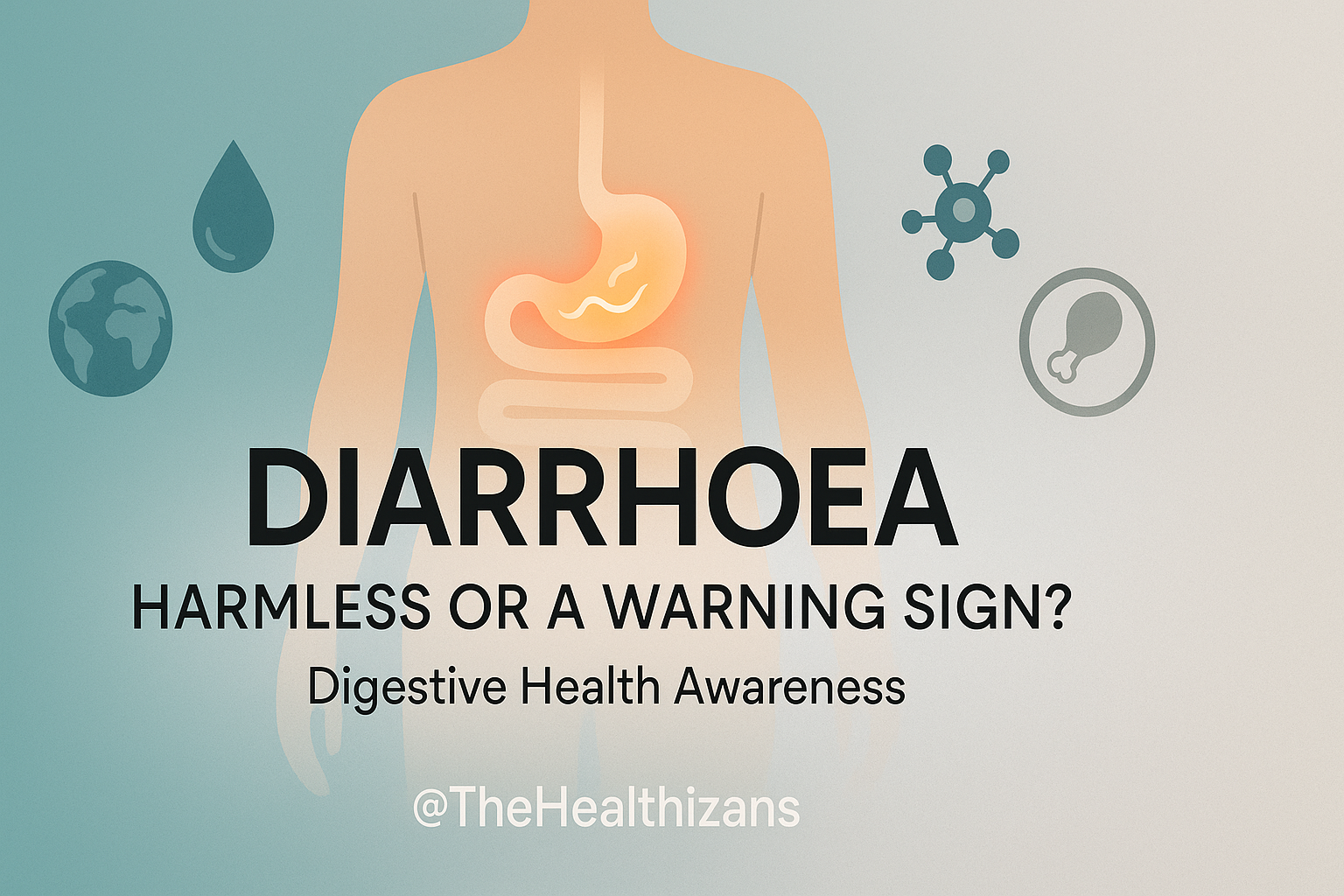
We’ve all had days when our stomach sends us rushing to the bathroom more often than usual. Most of the time, diarrhoea is a short-lived nuisance that clears on its own. But sometimes, it’s a signal of something more serious. According to the World Health Organization (WHO), diarrhoeal disease is still one of the leading causes of illness worldwide, particularly in children, making awareness and early recognition essential.
🩺 What Exactly Is Diarrhoea?
Diarrhoea is defined as passing loose or watery stools three or more times in a day. It may be acute, lasting only a few days, or chronic, lasting for weeks and often linked to underlying health problems. What makes diarrhoea tricky is that it has many possible causes — from a simple stomach bug to more serious digestive diseases.
🔎 Why Does Diarrhoea Happen?
The most common reason is infection. Viruses such as norovirus and rotavirus, bacteria like E. coli or Salmonella, and parasites picked up from food or water can all irritate the gut, causing it to flush out more fluid than usual.
But not all diarrhoea is infectious. Some people develop it after eating food their body can’t digest well — such as dairy if they are lactose intolerant, or gluten if they have coeliac disease. Others may experience it as a side effect of antibiotics or certain medications. Stress, travel, and even a sudden change in diet can also temporarily upset digestion.
In people with long-term conditions like Irritable Bowel Syndrome (IBS) or inflammatory bowel diseases such as Crohn’s or ulcerative colitis, diarrhoea can become a recurring challenge.
🌿 When It’s Harmless
Most episodes of diarrhoea are mild and self-limiting. A brief stomach upset after a meal, a “stomach flu” that runs its course in two to three days, or a short bout during travel often resolve without medical treatment. During this time, the main priority is to stay hydrated. Water, clear broths, or oral rehydration solutions replace lost fluids, while bland foods like bananas, rice, toast, and yoghurt can help settle the gut. Resting and avoiding alcohol or caffeine also allow the digestive system to recover faster.
🚨 When to Take It Seriously
While mild diarrhoea is often harmless, there are times when it shouldn’t be ignored. Red flag symptoms include:
- Blood or mucus in your stools
- Severe dehydration (dry mouth, dizziness, or passing little urine)
- High fever
- Severe abdominal pain or bloating
- Diarrhoea lasting more than a week
- In children: dry nappies, sunken eyes, or unusual drowsiness
These signs suggest something more serious — such as a bacterial infection, inflammatory bowel disease, or in rare cases, bowel cancer — and should prompt urgent medical advice.
🌍 A Global Perspective
Globally, the story of diarrhoea is very different depending on where you live. In developing regions, unsafe drinking water and poor sanitation mean diarrhoeal diseases remain a leading cause of death in children under five. The WHO emphasises the life-saving role of oral rehydration therapy in these settings. In contrast, in developed countries, diarrhoea is usually linked to food poisoning, antibiotic use, or conditions like IBS.
✅ Key Takeaway
Diarrhoea is common, and in most cases, it’s a short-lived problem that clears up with fluids, rest, and simple foods. But persistent or severe diarrhoea — especially with red flag symptoms — needs medical attention. Recognising the difference between harmless and concerning episodes can save lives.
🤔 What’s Your Take?
Have you ever experienced a bout of diarrhoea that lingered longer than expected? What remedies or treatments helped you recover fastest? Share your thoughts with the @TheHealthizans community in the comment section.
📚 Sources
- NHS. Diarrhoea. Updated 2023.
- World Health Organization. Diarrhoeal Disease. 2022.
- American College of Gastroenterology. Management of Acute and Chronic Diarrhoea. 2021.
- British Nutrition Foundation. Gut Health and Digestion. 2022.
About the Author