That burning pain in your upper abdomen isn’t always “just indigestion.” For millions worldwide, it may be a stomach ulcer — also known as a peptic ulcer. The World Health Organization (WHO) estimates that more than 10% of people will develop a stomach ulcer at some point in their lives. While most ulcers can be treated effectively, ignoring symptoms can lead to serious complications like bleeding or perforation.
🔎 What Is a Stomach Ulcer?
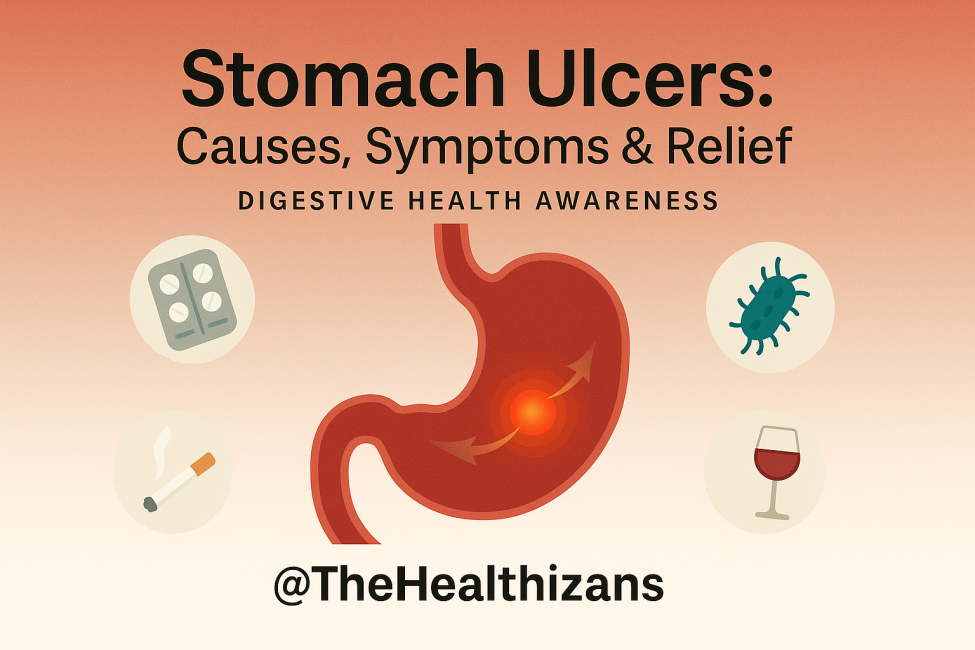
A stomach ulcer is an open sore in the lining of the stomach or upper small intestine. Normally, a protective layer of mucus shields the stomach lining from acid. But when this barrier is weakened, acid erodes the tissue, creating an ulcer.
⚠️ Common Causes of Stomach Ulcers
- Helicobacter pylori (H. pylori) infection
- This bacteria is the leading cause of ulcers worldwide, damaging the protective stomach lining.
- Long-term use of NSAIDs (painkillers)
- Drugs like ibuprofen, aspirin, and naproxen can irritate the stomach if taken regularly.
- Lifestyle factors
- Smoking, excessive alcohol, and poor diet worsen ulcer risk and slow healing.
- Stress (Indirect role)
- Stress itself doesn’t cause ulcers, but it can increase acid production and make symptoms worse.
🤕 Symptoms to Watch For
- Burning or gnawing pain in the stomach (often worse on an empty stomach)
- Bloating, burping, or nausea
- Loss of appetite or weight loss
- Heartburn or indigestion-like discomfort
🚨 Red Flag Symptoms (Seek urgent care if you notice):
- Vomiting blood (may look like coffee grounds)
- Black or tarry stools
- Sudden severe abdominal pain
🌿 How Are Stomach Ulcers Treated?
- Medical treatment
- If caused by H. pylori, a course of antibiotics + acid-reducing medicine (triple therapy) is prescribed.
- Proton pump inhibitors (PPIs) or H2 blockers reduce stomach acid and help healing.
- Lifestyle support
- Quit smoking and cut down on alcohol .
- Avoid unnecessary or long-term use of NSAIDs (check with your doctor first).
- Manage stress through relaxation, sleep, and gentle exercise.
- Food matters
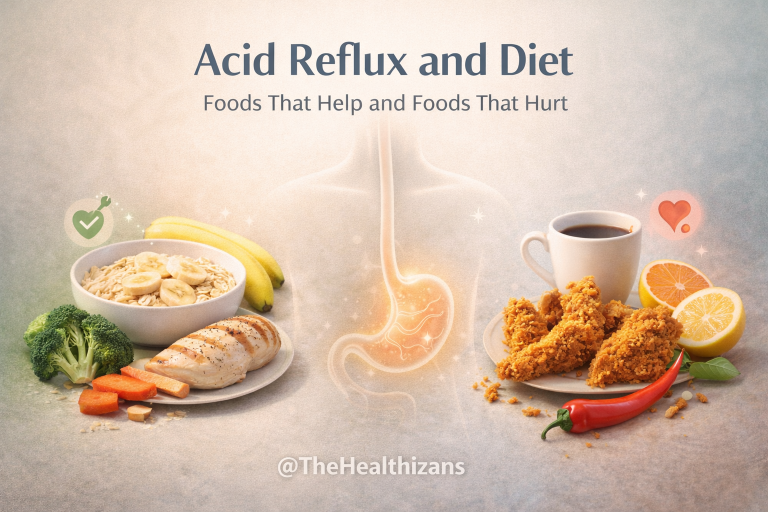
- Soothing foods: bananas, yoghurt, honey, leafy greens, and probiotic-rich foods.
- Limit spicy foods, coffee, and carbonated drinks if they worsen symptoms.
🌍 A Global Perspective
- In developed nations, NSAID overuse is a growing cause of ulcers, especially among older adults.
- In developing regions, H. pylori infection remains the most significant driver.
- The World Gastroenterology Organisation (WGO) stresses early testing for H. pylori where ulcers are common — a simple breath or stool test can guide treatment.
✅ Key Takeaways
- Most stomach ulcers are caused by H. pylori infection or long-term painkiller use.
- Symptoms include burning stomach pain, indigestion, and nausea — but red flags need urgent attention.
- With prompt treatment and lifestyle changes, most ulcers heal completely.
🤔 What’s Your Take?
Have you or someone you know dealt with stomach ulcers? What remedies — medical or natural — actually helped? Share your story in the comments so others can learn 👇
📚 Sources
- NHS. Stomach Ulcer (Peptic Ulcer), 2023.
- World Health Organization. Helicobacter pylori and Peptic Ulcer Disease, 2022.
- World Gastroenterology Organisation (WGO). Global Guideline on Dyspepsia and Peptic Ulcer, 2021.
- American College of Gastroenterology. Treatment of H. pylori Infection and Peptic Ulcer Disease, 2022.
About the Author