Stress is one of those words we casually toss around — “I’m stressed,” “Work is stressful,” “Life feels overwhelming.” Yet the science of stress reveals a more complex picture. Stress isn’t just an emotion; it’s a coordinated biological reaction designed to protect you from harm. In short bursts, it sharpens your mind and fuels quick decisions. However, when it lingers, it begins to reshape your body in ways many people don’t even realise.
Understanding what happens in your body under stress is the first step toward managing it — and spotting when your system needs rest instead of more pressure.
Why Your Body Reacts: The Stress Alarm System
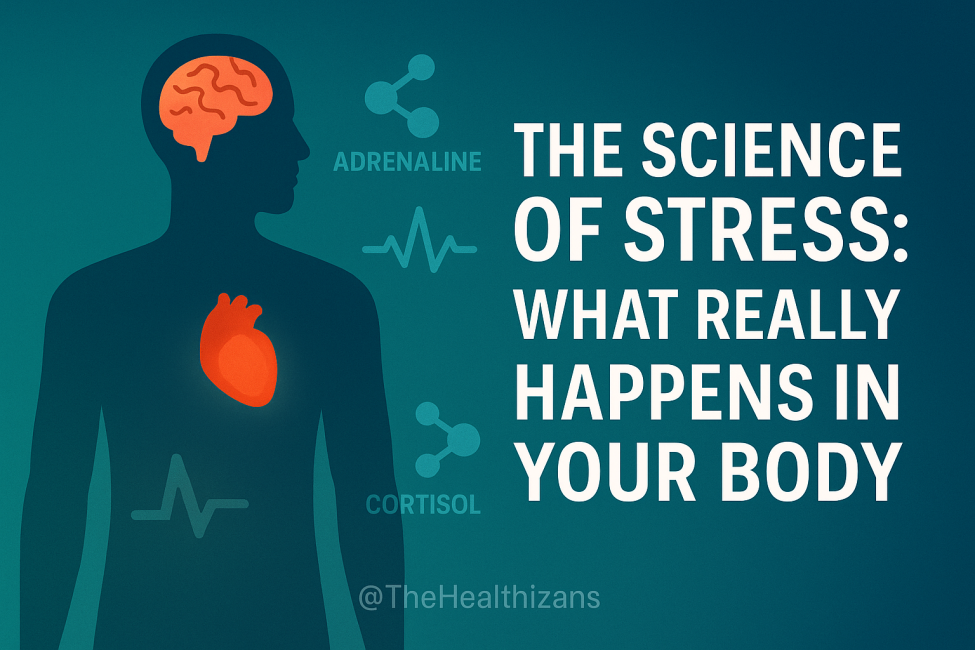
When your brain senses a threat, your amygdala — the emotional command centre — triggers an instant alarm. It doesn’t matter whether that “threat” is a wild animal, a missed deadline, or a rapidly filling inbox. To your brain, stress is stress.
As the hypothalamus kicks in, your body releases a surge of adrenaline. Almost immediately, your heart beats faster, your breathing quickens, your muscles tighten, and your senses sharpen. This is your classic fight-or-flight response, a survival system shaped over generations.
This initial surge helps you act quickly: run, fight, focus, protect yourself. It’s meant to be temporary — a moment of activation, not a way of life.
Cortisol: Keeping You on High Alert
After the first wave of adrenaline, your adrenal glands release cortisol — often called the “stress hormone.” Cortisol is designed to keep you alert for longer. It raises blood sugar for quick energy, pauses non-essential processes such as digestion and immunity, and sharpens mental focus.
In short bursts, cortisol is incredibly useful. It helps you prepare for presentations, meet deadlines, or respond during emergencies.
But when stress becomes a daily companion rather than an occasional visitor, cortisol stops being protective and starts becoming harmful. High levels over time can weaken memory, disrupt hormones, increase abdominal fat, affect sleep, and impair immune defence.
When the Stress Loop Stays On
In a healthy system, your stress response switches off once the threat passes. Heart rate slows, breathing eases, blood pressure settles, and cortisol levels return to baseline.
Chronic stress interrupts this cycle. When worries, work pressures, caregiving duties, or financial concerns never truly pause, the body remains stuck on “alert mode.” That constant activation means inflammation rises, recovery slows, and your nervous system never resets.
It’s not simply feeling overwhelmed — it’s your biology running at full speed for too long.
How Chronic Stress Affects Your Body
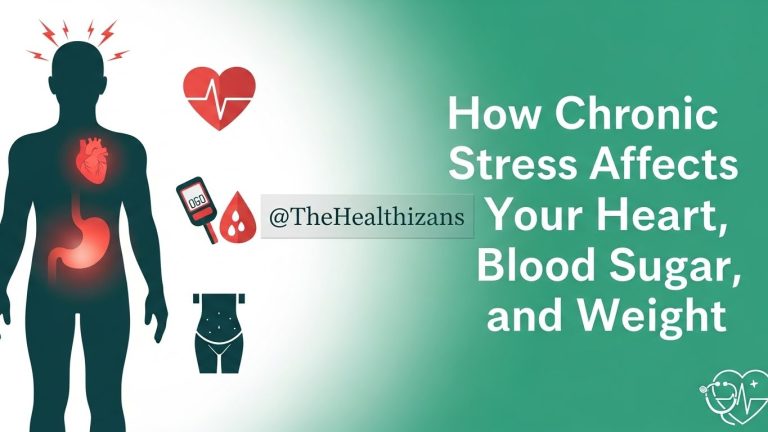
The science of stress shows that prolonged activation can affect almost every major system in the body. Over time, you may begin to notice changes in your heart health, digestion, immunity, concentration, and emotional wellbeing. High blood pressure becomes more likely, sleep becomes lighter or more disrupted, and tasks you once managed easily can suddenly feel draining or overwhelming.
This is because chronic cortisol gradually alters the brain’s memory centre, restricts blood vessels, slows wound healing, and weakens immune resilience. If you’re curious about how this ties into your cardiovascular health, our article on How Blood Pressure and Stress Are Connected explains why cortisol and high blood pressure often rise together.
At this stage, the body is essentially “wired but tired” — a sign that your stress system has been active far too long.
Not All Stress Is Bad — Eustress Matters
While chronic stress can drain your energy, not all stress is harmful. Psychologists describe “eustress” — positive stress — as stress that is short-term, empowering, and motivational. It’s the kind of stress that helps you prepare for a presentation, push through a workout, or rise to a challenge.
The challenge is making sure your body experiences more of this energising stress — and far less of the harmful, chronic kind.
Key Takeaway
Stress is your built-in alarm system, designed to protect you in short bursts — but not to run your life. By understanding what happens inside your body under stress, you can recognise when your system is working for you, and when it’s signalling burnout, exhaustion, or overload.
Learning to listen to these internal signals is one of the most powerful acts of self-care.
What’s Your Take?
Do you feel stress in your body first — tight shoulders, racing heart, restless sleep — or in your thoughts? How does it show up for you? Share your experience with the @TheHealthizans community.
Sources
- American Psychological Association (2023). Stress Effects on the Body.
- Harvard Health Publishing (2022). Understanding the Stress Response.
- NHS (2023). What Is Stress?
- McEwen BS. Protective and Damaging Effects of Stress Mediators. New England Journal of Medicine (1998).
About the Author