💡 Why This Matters
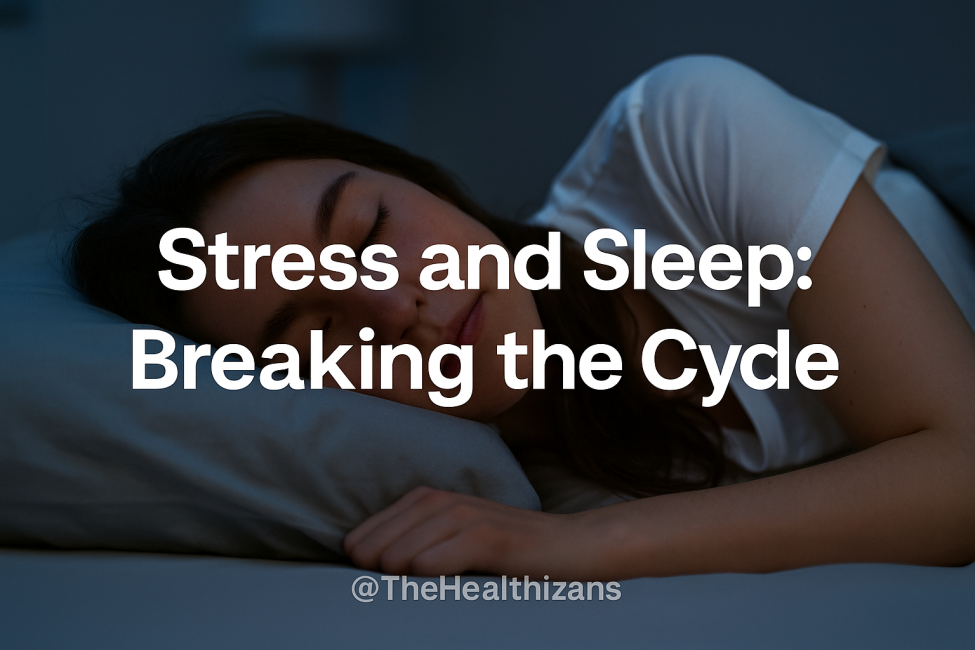
If you’ve ever spent a sleepless night replaying worries in your mind, you already know how deeply stress and sleep are connected. When stress rises, sleep quality falls — and when sleep suffers, stress levels climb even higher. Understanding and breaking this cycle is vital for both mental and physical wellbeing.
🧠 How Stress Affects Your Sleep
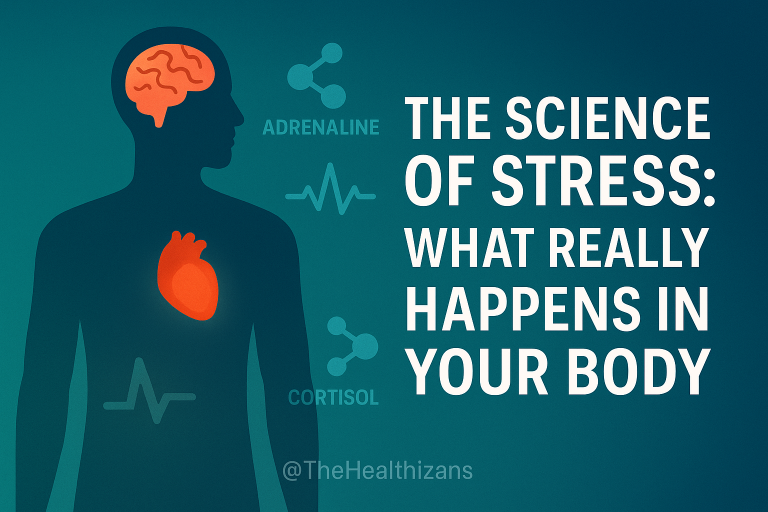
Stress triggers your body’s “fight or flight” response, releasing hormones like cortisol and adrenaline. While these hormones help you stay alert in emergencies, they can become a problem when they stay elevated — especially at bedtime.
When you’re under constant stress, your body struggles to wind down. You may:
- Take longer to fall asleep
- Wake up frequently during the night
- Experience restless, poor-quality sleep
Over time, this ongoing alert state can lead to chronic insomnia, fatigue, and reduced concentration. According to the American Psychological Association, people who sleep less than six hours a night report significantly higher stress levels than those who sleep longer.
🌙 How Poor Sleep Increases Stress
Unfortunately, lack of sleep doesn’t just make you tired — it makes your brain more reactive to stress. Poor sleep affects the part of the brain responsible for emotional regulation, meaning small frustrations can feel overwhelming.
This imbalance can:
- Increase irritability and anxiety
- Reduce focus and productivity
- Lower resilience to everyday challenges
Research from the National Sleep Foundation shows that sleep-deprived individuals produce more stress hormones the next day, further trapping them in a vicious cycle of stress and sleep disruption.
🔄 Breaking the Stress-Sleep Cycle
While the link between stress and sleep may feel impossible to break, small consistent changes can make a big difference.
1. Practise Relaxation Before Bed
Gentle stretches, meditation, or deep breathing slow the body’s stress response and prepare your mind for rest. Try techniques like progressive muscle relaxation or guided imagery 30 minutes before sleep.
2. Create a Calming Sleep Environment
Keep your bedroom dark, cool, and quiet. Avoid bright screens and use soft lighting. Even subtle cues, like a lavender scent or soothing music, can help signal that it’s time to sleep.
3. Maintain a Consistent Schedule
Go to bed and wake up at the same time daily — even on weekends. Regular sleep timing helps reset your circadian rhythm and reduces both stress and fatigue.
4. Be Mindful of Caffeine and Alcohol
Although a nightcap may seem relaxing, alcohol disrupts deep sleep cycles. Likewise, caffeine can linger in your system for hours, making it harder to unwind.
5. Write It Down
If racing thoughts keep you awake, journaling your worries before bed can help. Writing them down tells your brain it’s okay to “log off” for the night.
💖 The Health Connection
Breaking the link between stress and sleep doesn’t just improve mood — it boosts immunity, heart health, and even hormone balance. A consistent sleep routine can lower blood pressure, improve digestion, and sharpen focus.
Also, check out our piece on “How Sleep Affects Your Blood Sugar” to see how quality rest supports your metabolism and long-term health.
🌍 Final Thoughts
The relationship between stress and sleep is a two-way street — but one that you can redirect with patience and consistent habits. By calming your mind before bed, creating a soothing sleep environment, and setting healthy boundaries, you can restore balance and wake up ready to take on the day.
Remember: good sleep isn’t a luxury — it’s one of your most powerful tools for managing stress.
🙌 What’s Your Take?
Have you ever noticed how your sleep changes during stressful times? What helps you calm your mind before bed? Share your routine in the comments — your experience might help someone else sleep better tonight.
📚 Sources
- American Psychological Association (APA): Stress and Sleep Connection
- National Sleep Foundation: How Stress Affects Sleep
- Harvard Health: Relaxation Techniques for Better Sleep
- NHS: Tips for Better Sleep
About the Author