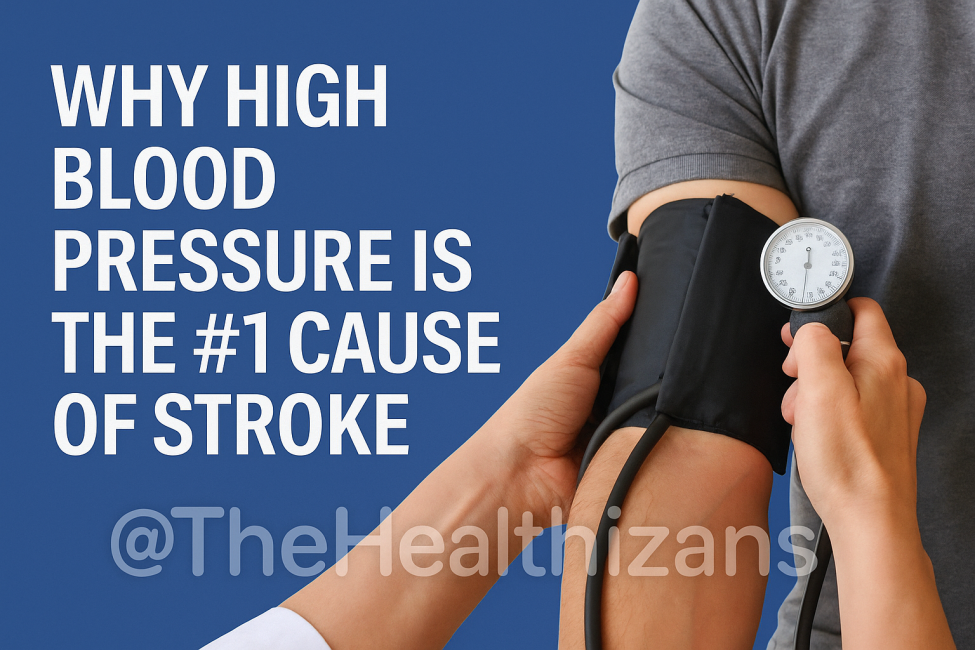
High blood pressure and stroke are deeply connected — one quietly fuels the other. Often called the “silent killer,” high blood pressure (or hypertension) rarely causes obvious symptoms, yet it can damage your blood vessels over time, dramatically raising your risk of stroke.
According to the World Health Organization (WHO), uncontrolled hypertension is the single most important modifiable risk factor for stroke worldwide. In other words, managing your blood pressure could literally save your brain.
🧠 How High Blood Pressure Triggers Stroke
Your brain depends on a steady, healthy flow of oxygen-rich blood. However, when high blood pressure persists, it gradually strains and weakens your arteries, setting off a chain reaction that can lead to a stroke.
1. Damage to Artery Walls
Constant pressure damages the delicate inner lining of your blood vessels, making them stiff and fragile. Over time, this makes arteries more likely to clog or rupture, interrupting blood flow to the brain.
2. Increased Risk of Clots
Injured arteries attract fatty deposits, leading to atherosclerosis — the narrowing of blood vessels. Pieces of these plaques can break off and block circulation to the brain, resulting in an ischaemic stroke, the most common type.
3. Risk of Vessel Rupture
High blood pressure can also cause arteries inside the brain to burst, leading to a haemorrhagic stroke. This type is often more severe and life-threatening, emphasising why prevention is far better than cure.
🌍 Global and NHS Insight
The NHS estimates that more than one in four adults in the UK have high blood pressure — many without knowing it.
Globally, the WHO reports that raised blood pressure causes over half of all strokes and heart disease deaths. In lower-resource countries, fewer than 20% of people with hypertension have it under control, showing a wide gap in prevention and treatment.
💡 You can also explore how diet supports healthy blood pressure in our related post: Which Foods Naturally Protect Your Heart and Improve Circulation — because what’s good for your heart is good for your brain too.
🚨 Why This Risk Is So Often Overlooked
Because high blood pressure usually has no clear symptoms, it often goes unnoticed until a crisis happens — like a stroke or heart attack. You might feel completely healthy while damage silently accumulates.
That’s why regular blood pressure checks are essential for everyone, not just older adults. Catching it early allows for simple lifestyle changes — and in some cases, medication — that can prevent a lifetime of complications.
✅ Steps to Protect Yourself
You can reduce your stroke risk dramatically by taking these practical, evidence-based steps:
- Get checked regularly — at least once a year, or more often if you have risk factors such as obesity, diabetes, or family history.
- Adopt a heart-healthy diet — reduce salt, processed foods, and saturated fats while eating more fruits, vegetables, and whole grains.
- Stay active — aim for at least 150 minutes of moderate activity each week, such as brisk walking or cycling.
- Quit smoking and limit alcohol — both raise blood pressure and increase stroke risk.
- Take medications as prescribed — never stop your treatment without consulting your healthcare provider.
💡 Key Takeaway
Hospital data consistently show that stroke patients with uncontrolled hypertension experience worse recovery outcomes and higher readmission rates. The message is clear: preventing or controlling high blood pressure early is far more effective — and far less costly — than treating the damage it causes later.
💬 What’s Your Take?
Do you monitor your blood pressure regularly? Have you made lifestyle changes that helped keep it in check?
Share your experience with the @TheHealthizans community — your story might encourage someone to take that life-saving step.
📚 Sources
- World Health Organization – Hypertension Fact Sheet
- NHS – High Blood Pressure (Hypertension)
- American Stroke Association – High Blood Pressure and Stroke
About the Author