Forget spreadsheets, calorie apps, and food diaries that turn eating into a maths exam. In reality, healthy eating doesn’t need to be complicated to be effective. In fact, one of the most reliable ways to eat well is also one of the simplest.
It’s known as the Plate Method, and it focuses on balance rather than restriction. Whether you’re eating at home in Birmingham, grabbing lunch in Lagos, or sharing a family meal in Delhi, this approach helps you build meals that support energy, digestion, blood sugar balance, and long-term health — without counting a single calorie.
Why Meal Balance Matters More Than Calories Alone
Rather than obsessing over numbers, balanced meals work with your biology. When your plate contains the right mix of vegetables, protein, carbohydrates, and healthy fats, your body is better able to regulate appetite, energy, and blood sugar.
This matters because poorly balanced meals — especially those dominated by refined carbohydrates — are more likely to trigger energy crashes, cravings, and overeating later in the day. Over time, this pattern can contribute to weight gain and metabolic issues, which is why balanced plates are often recommended alongside guidance on blood sugar control and insulin health.
Put simply, balance helps your body feel satisfied and steady — not deprived.
The Plate Method: A Simple Formula That Works Anywhere
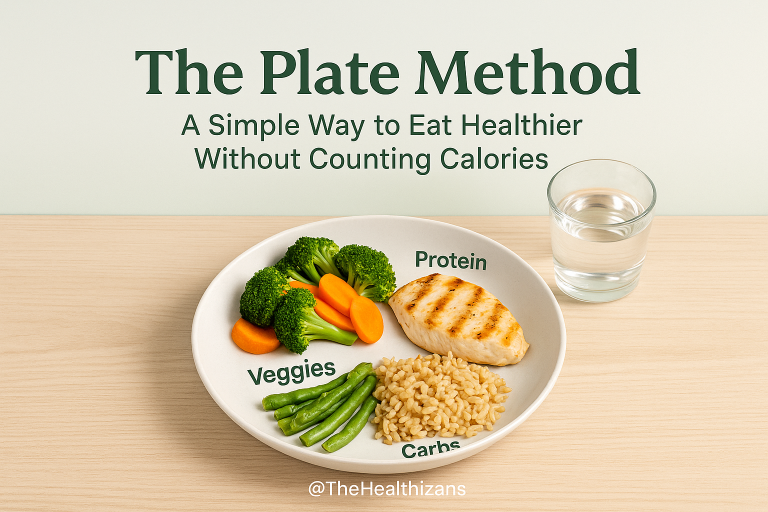
At the heart of this approach is a visual guide you can use at every meal. Imagine your plate divided into sections:
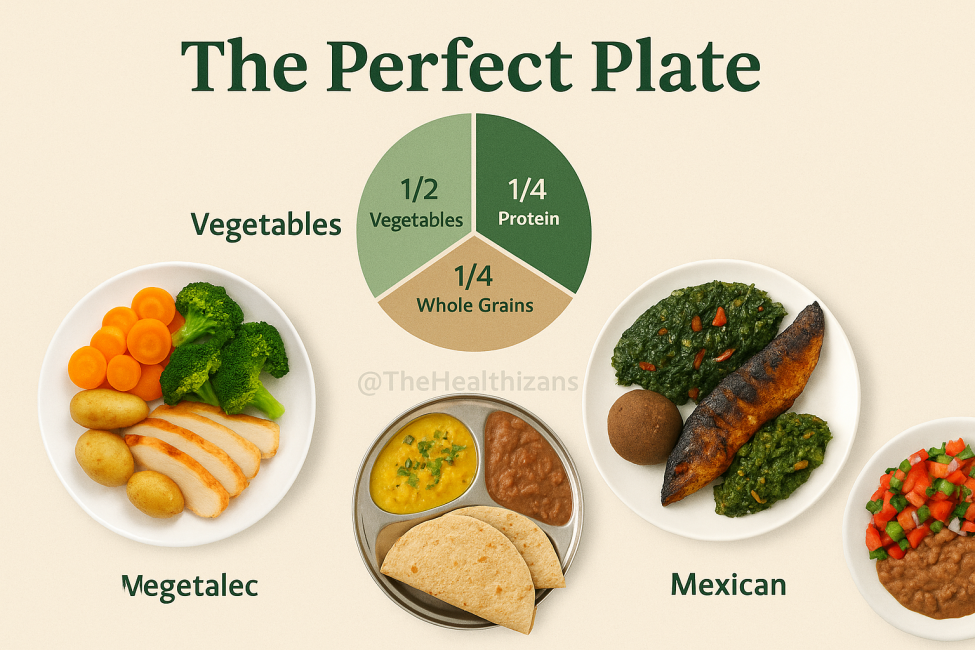
Half of the plate is filled with non-starchy vegetables. These foods are rich in fibre, water, and micronutrients, helping you feel full without excess calories. They also slow digestion, which supports more stable blood sugar levels.
One quarter of the plate is reserved for lean protein, such as fish, poultry, eggs, beans, lentils, tofu, or yoghurt. Protein supports muscle repair, keeps hunger in check, and plays a key role in preventing post-meal glucose spikes.
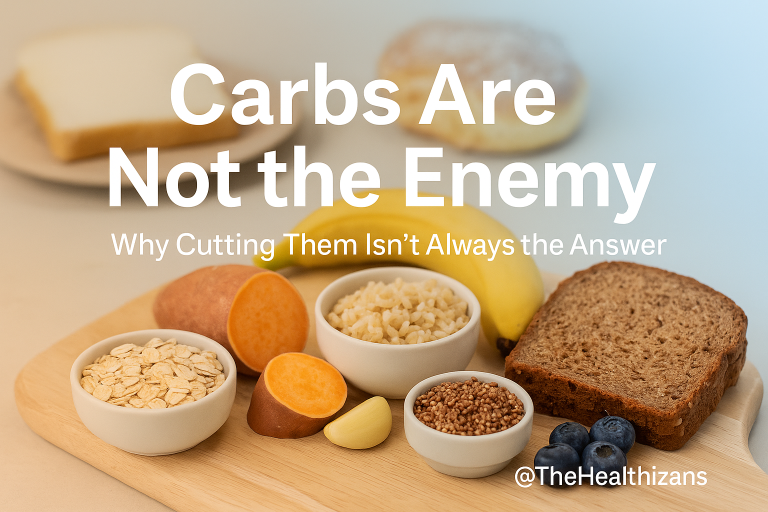
The remaining quarter contains whole or minimally processed carbohydrates — foods like brown rice, whole grains, sweet potatoes, yam, oats, or whole-wheat flatbreads. These provide steady energy rather than rapid highs and lows.
To complete the plate, a small amount of healthy fat — olive oil, avocado, nuts, or seeds — adds flavour and helps with nutrient absorption. Water or unsweetened drinks are ideal alongside meals, as sugary beverages can undermine even the best-balanced plate.
What a Balanced Plate Looks Like Around the World
One of the strengths of the Plate Method is its flexibility. It doesn’t require you to abandon cultural foods or cook unfamiliar meals. Instead, it helps you structure what’s already on your table.
In the UK, this might look like roasted chicken with steamed vegetables and a modest portion of potatoes. In Nigeria, grilled fish with ugu or okra soup and a small wrap of amala fits the same pattern. In India, lentil dal paired with sautéed vegetables and a portion of brown rice or chapati works just as well. Across Latin America, beans, vegetables, and corn-based staples can easily form a balanced plate when portions are considered.
Different cuisines, same principles.
No Measuring Tools? Use Your Hands Instead
If you don’t have scales or measuring cups — or simply don’t want to use them — your hands offer a practical guide that naturally adapts to your body size.
A palm-sized portion of protein, two open hands of vegetables, one cupped hand of carbohydrates, and a thumb-sized amount of fats is often a helpful starting point. If you’re still hungry after eating, adding more vegetables first is usually the best option.
This approach keeps eating intuitive rather than restrictive.
Why Colour and Texture Matter
Balanced eating isn’t only about nutrients; it’s also about enjoyment and digestion. Meals that include a variety of colours and textures tend to be richer in vitamins, minerals, and protective plant compounds.
As a simple rule, aim for at least three colours on your plate and a mix of cooked and fresh foods when possible. Choosing whole or minimally processed carbohydrates over refined versions further improves satiety and metabolic health.
Snacks Follow the Same Rule
Even snacks benefit from balance. Pairing protein with fibre helps prevent energy dips between meals. Options like yoghurt with fruit, a boiled egg with vegetables, or apple slices with a small amount of peanut butter are more sustaining than sugary snacks eaten alone.
The Bigger Picture
Balanced eating isn’t about perfection or rigid rules. It’s about building meals that consistently support your body’s needs. Over time, this approach can help with weight stability, digestion, heart health, and blood sugar regulation — without the stress of constant tracking.
If you’re already working on stabilising energy levels or managing glucose swings, the Plate Method fits naturally alongside strategies discussed in our article on understanding blood sugar and why it matters, reinforcing the same core principle: steady input leads to steady output.
Key Takeaway
Healthy eating doesn’t require calorie counting or complicated plans. By building meals around vegetables, protein, whole carbohydrates, and healthy fats — and adapting them to your culture and lifestyle — you create a pattern your body can thrive on.
Consistency beats perfection. One balanced plate at a time.
What’s Your Take?
Have you tried the Plate Method before — consciously or unconsciously?
What does a balanced meal look like in your household or culture?
Share your thoughts, or tag @TheHealthizans with your plate — your example might inspire someone else.
Sources
- Harvard T.H. Chan School of Public Health – Healthy Eating Plate
- World Health Organization – Healthy Diet and Nutrition
- British Nutrition Foundation – Portion Size and Balanced Eating
- USDA – MyPlate Model
About the Author