An ounce of prevention is worth more than a tonne of cure.
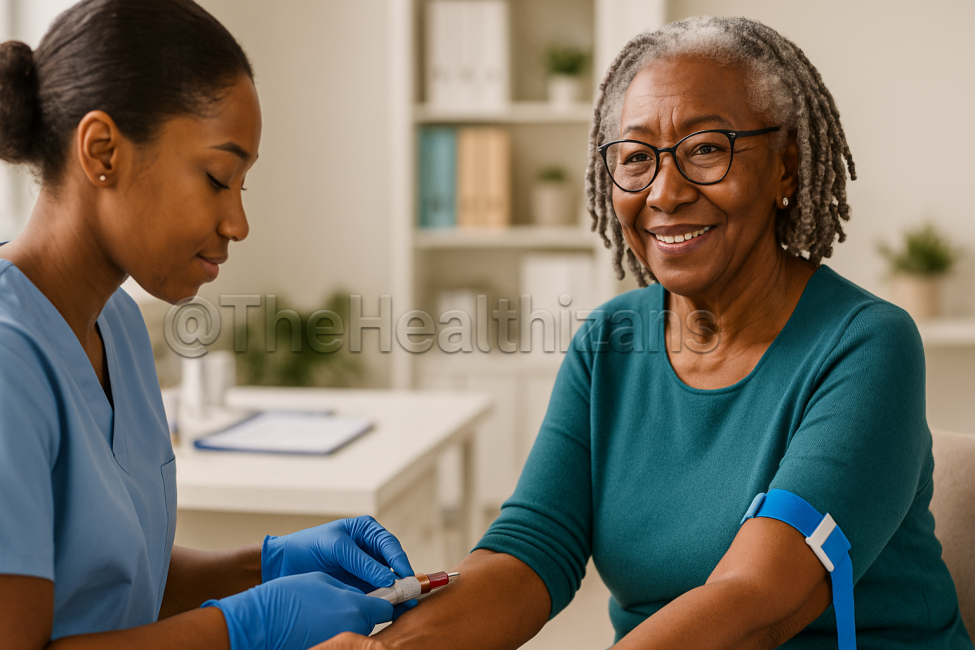
🩺 What Is Preventive Health?
Preventive health is the practice of taking proactive steps to reduce the risk of disease, detect health problems early, and promote overall well-being — before symptoms begin.
This includes:
- Routine check-ups
- Screenings for silent conditions
- Vaccinations
- Lifestyle counselling
- Risk assessments based on age, gender, and family history
🧠 It’s not about being paranoid — it’s about being prepared.
🎯 Why Prevention Is More Powerful Than Treatment
Most health systems — including the NHS — are under growing strain. People are living longer, but often with multiple long-term conditions. Preventive health offers a solution that is:
- Life-saving: Detects diseases before they become dangerous
- Cost-saving: Avoids expensive emergency treatments and hospital stays
- Empowering: Helps individuals take control of their health
According to the World Health Organization, up to 80% of heart disease, stroke, and type 2 diabetes — and over 40% of cancers — could be prevented with early detection and lifestyle interventions [1].
🔍 How Screenings Fit into Preventive Health
Screenings are specific tests or assessments offered to people who don’t yet have symptoms, but who may be at risk of certain conditions due to age, gender, lifestyle, or genetics.
They allow healthcare providers to:
- Catch disease early when it’s most treatable
- Delay progression of chronic illness
- Reduce complications through early intervention
- Prevent transmission in infectious diseases (e.g. HIV, hepatitis, cervical HPV)
🧪 Screenings are not the same as diagnostic tests — they are the first line of defence.
🧬 Real-World Impact of Screenings
Let’s break down how some routine screenings directly impact health outcomes:
| Screening Type | Benefit |
|---|---|
| Blood Pressure | Reduces risk of stroke, heart failure, kidney damage [2] |
| Cholesterol & Lipids | Prevents cardiovascular disease by lowering plaque build-up [3] |
| Cervical Smears | Detects pre-cancerous changes before cervical cancer develops [4] |
| Bowel Cancer (FIT) | Improves survival through early detection and removal of polyps [5] |
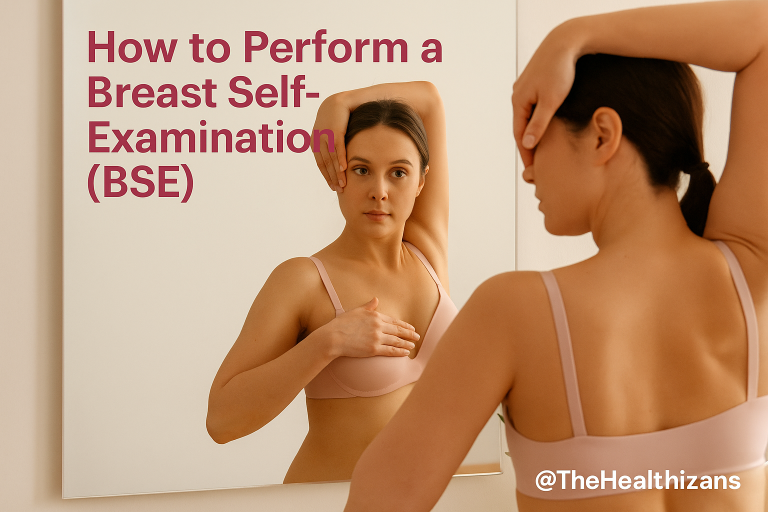
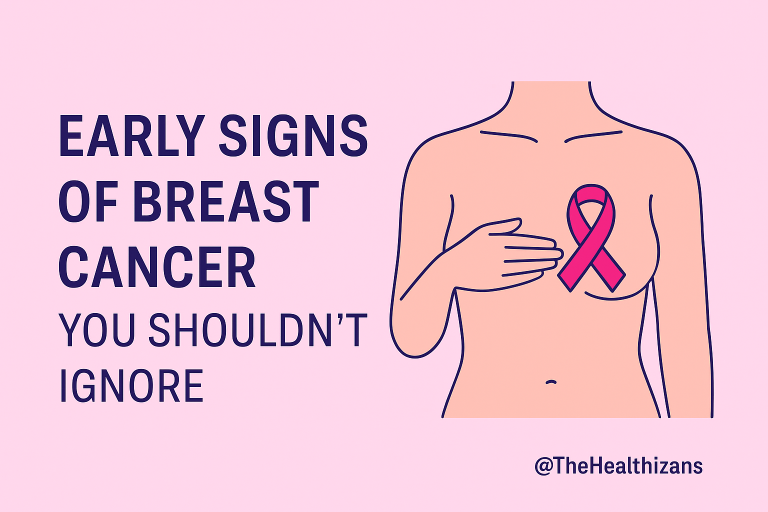
| Breast Screening | Lowers breast cancer mortality through early-stage identification [6] |
| Mental Health Screening | Supports early intervention, reducing suicide and self-harm [7] |
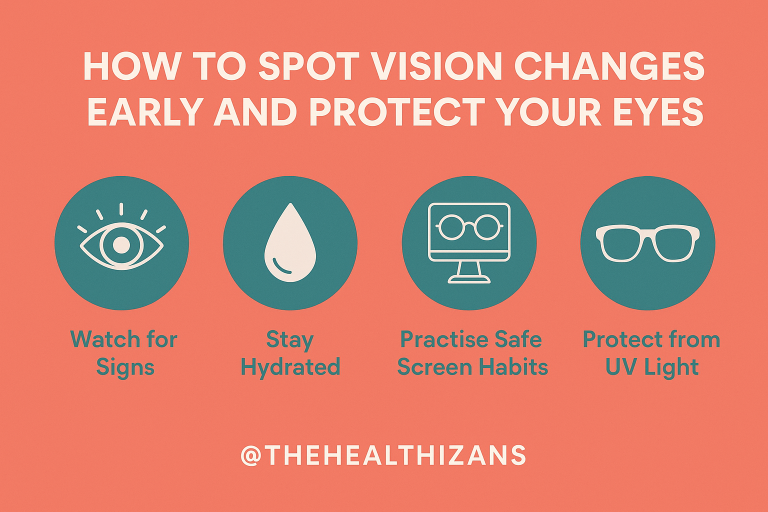
| Diabetes Screening (HbA1c) | Prevents complications like blindness and nerve damage [8] |
👨👩👧👦 Prevention at Every Life Stage
🧒 Childhood
- Immunisations
- Growth and developmental checks
- Vision and hearing assessments
👩 Adulthood (20s–40s)
- STI and cervical cancer screening
- Blood pressure, cholesterol baseline
- Mental health and lifestyle risk screening
🧑🦳 Middle Age (40s–60s)
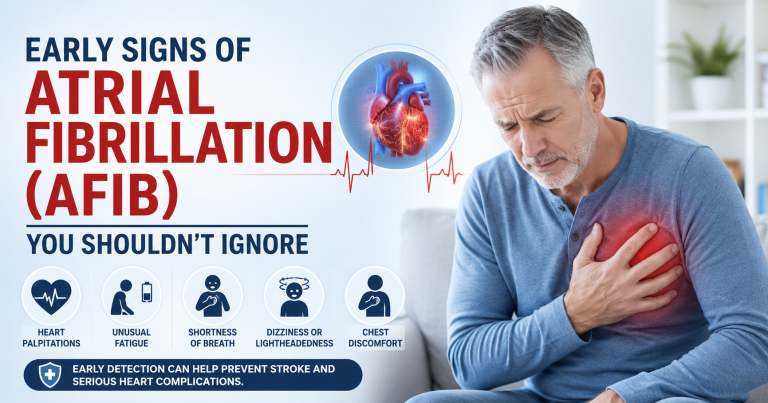
- Cardiovascular risk profiling
- Diabetes and cancer screening
- Men’s and women’s health checks
👵 Older Adults (65+)
- Bone density scans (osteoporosis)
- Fall risk and cognitive screening
- Vaccinations (flu, shingles, pneumococcal)
✅ Preventive care isn’t a one-time event — it’s a lifelong approach.
🏥 A Systemic Perspective: How Screenings Help Health Systems
Preventive screenings don’t just help individuals — they ease the burden on healthcare systems:
- Reduces hospital admissions and emergency care
- Decreases treatment complexity and costs
- Improves health equity, especially in underserved populations
- Strengthens workforce health through employer-based screenings
📉 For every £1 spent on public health interventions in the UK, there is an estimated £14 return in health benefits and system savings [9].
🌍 Global Health Models in Preventive Care
Many countries have embraced population-based screening programmes:
- NHS Health Check (UK): For adults 40–74, screens for heart disease, stroke, diabetes, and dementia risk every 5 years [10]
- USPSTF Guidelines (USA): Comprehensive age-based screening schedules for cancer, mental health, metabolic and infectious diseases [11]
- WHO PEN Interventions: Used in lower-income countries to expand access to essential screenings and reduce noncommunicable diseases [12]
🧘♂️ Prevention Is More Than Tests
Screenings are essential — but prevention also includes:
- Healthy eating
- Regular physical activity
- Stress management
- Sleep hygiene
- Alcohol and tobacco reduction
- Building strong social connections
🧭 A screening might reveal your risk, but your daily habits shape your health trajectory.
💬 Final Thoughts: Prevention Is the Smartest Investment
Think of health screenings as a health MOT — a proactive way to stay safe, strong, and thriving.
They help you:
✅ Stay in charge of your health
✅ Act before problems arise
✅ Avoid unnecessary suffering
✅ Protect your loved ones
✅ Enjoy more quality years
🗓️ What Can You Do Today?
📞 Book a health check-up
📲 Download a screening tracker
💬 Talk to your family about health history
📌 Share this article with a friend who needs a nudge!
📚 References (In-section)
- WHO. Noncommunicable Diseases Prevention and Control. www.who.int/news-room/fact-sheets/detail/noncommunicable-diseases
- NICE. Hypertension in Adults. www.nice.org.uk/guidance/ng136
- Heart UK. Cholesterol. www.heartuk.org.uk
- NHS. Cervical Screening. www.nhs.uk/conditions/cervical-screening
- NHS. Bowel Cancer Screening Programme. www.nhs.uk/conditions/bowel-cancer-screening
- Cancer Research UK. Breast Cancer Screening. www.cancerresearchuk.org
- NHS England. Mental Health Screening. www.england.nhs.uk/mental-health/
- NICE. Type 2 Diabetes Management. www.nice.org.uk/guidance/ng28
- Public Health England. Return on Investment of Public Health Interventions. www.gov.uk
- NHS Health Check Programme. www.healthcheck.nhs.uk
- US Preventive Services Task Force. www.uspreventiveservicestaskforce.org
- WHO PEN: Essential Interventions. www.who.int/publications/i/item/9789240006195
About the Author