A Complete Age-by-Age Guide for Lifelong Well-being
🔍 Why Annual Screenings Matter
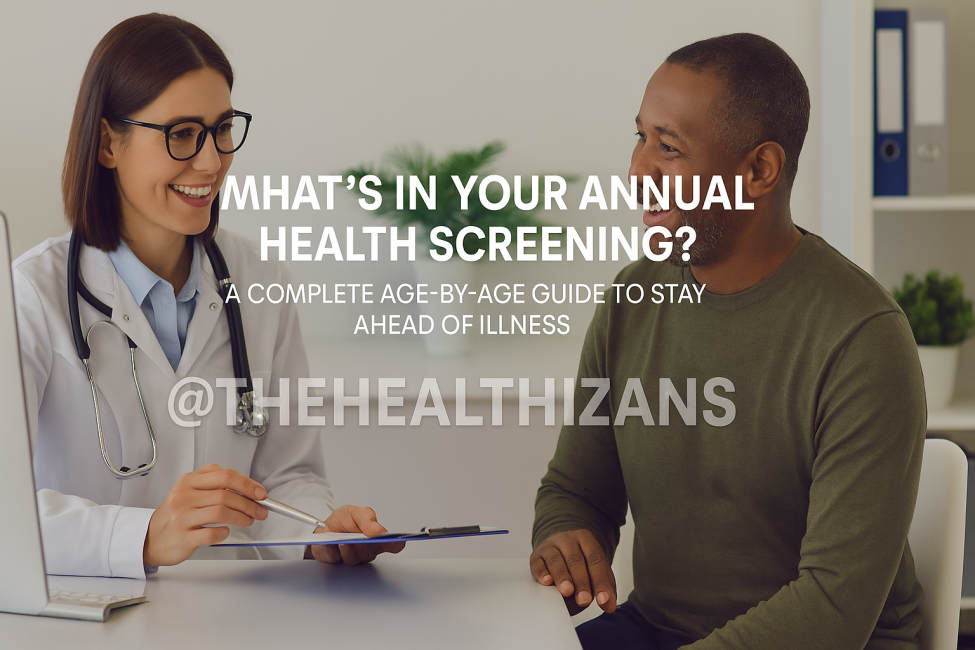
Your health needs evolve as you age — and so should your screenings. Annual health screenings aren’t just for finding disease; they’re for understanding your current risk profile, adjusting your lifestyle, and staying ahead of silent conditions like hypertension, diabetes, or early cancers.
Health screenings:
✅ Detect early signs of illness
✅ Provide a baseline for comparison
✅ Identify hereditary risks
✅ Encourage healthier lifestyle changes
With that in mind, here’s a complete age-by-age guide to what your annual health screening should include.
👶 Children and Teenagers (0–18 Years)
Though this group is often healthy, growth and developmental screenings are essential for long-term wellness.
Key Components:
- Growth tracking (height, weight, BMI) [1]
- Developmental milestones check (speech, motor skills)
- Hearing and vision tests
- Immunisation review (per national schedule)
- Dental check-ups (from age 1)
- Mental health and behavioural assessments (especially during adolescence)
- Sexual health education and STI screening (as appropriate) [2]
👩⚕️ Tip: These screenings are often integrated into school health services or paediatric well-child visits.
👨💼 Young Adults (19–39 Years)
Often the most neglected group in routine care, young adults benefit immensely from baseline testing and counselling.
Recommended Screenings:
- Blood pressure (at least every 2 years if normal, annually if elevated) [3]
- Body Mass Index (BMI) and waist circumference
- Cholesterol test (starting at age 20, every 4–6 years or more often if at risk) [4]
- Blood glucose (if overweight or have family history of diabetes)
- Cervical screening (women aged 25–64, every 3–5 years depending on the region) [5]
- Sexually transmitted infections (STIs) including HIV and chlamydia (if sexually active) [6]
- Mental health screening for depression and anxiety
- Skin checks for unusual moles or changes (especially in sunny climates)
🧑🦳 Middle Age (40–64 Years)
This is when most non-communicable diseases begin to surface. Early detection is critical.
Annual Screening Priorities:
- Blood pressure and lipid profile (cholesterol, triglycerides) [3][4]
- HbA1c / fasting blood sugar (for diabetes risk)
- Full blood count and organ function tests (kidney, liver)
- Colorectal cancer screening (age 45–75, using faecal immunochemical test or colonoscopy) [7]
- Prostate screening (PSA test, from age 50 or earlier if family history)
- Mammogram (women aged 50–70 every 2–3 years, per NHS guidelines) [8]
- Cervical smear continues
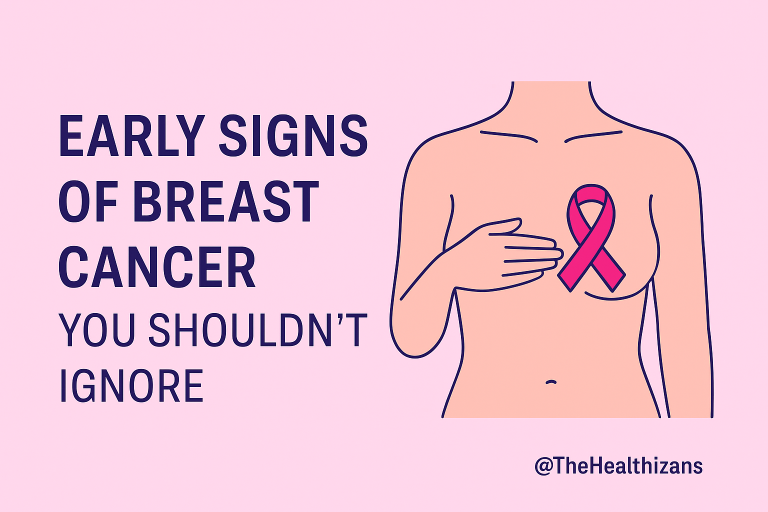
- Breast examination and awareness education
- Osteoporosis risk assessment (especially women post-menopause)
- Mental health, stress and sleep assessments
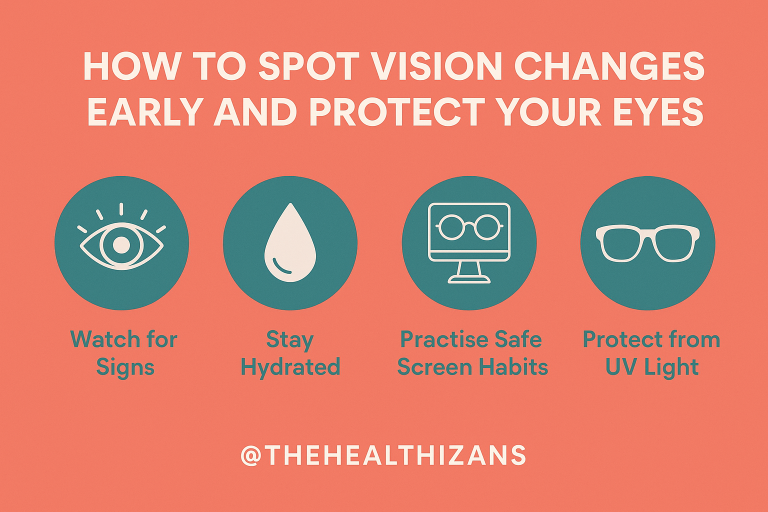
- Eye and hearing checks (every 2–5 years)
🌿 Health Coaching on nutrition, physical activity, alcohol use, and smoking cessation should also be included.
👵 Older Adults (65+ Years)
With age comes vulnerability — and an opportunity for preventative action.
Essential Screenings:
- All previous tests plus:
- Fall risk assessments and balance tests [9]
- Bone mineral density scan (DEXA) for osteoporosis (especially in postmenopausal women and men 70+)
- Abdominal aortic aneurysm (AAA) ultrasound (men over 65, especially if ever smoked) [10]
- Cognitive screening for memory loss, dementia, and Alzheimer’s disease
- Depression screening (often underdiagnosed in older adults)
- Hearing and vision annual check
- Vaccination review (flu, shingles, pneumococcal, COVID-19 boosters)
🔄 Medication reviews are crucial to avoid polypharmacy risks and ensure proper dosing.
📋 At Any Age: What Else Should Be Reviewed?
- Family history of chronic illness or cancer
- Immunisation status (HPV, tetanus, COVID-19, MMR)
- Lifestyle factors: diet, physical activity, sleep, alcohol, tobacco, stress
- Reproductive and sexual health, including contraception and fertility planning
- Travel or occupational health needs, if relevant
🧭 Use your annual check-up as a health MOT — a chance to reflect, prevent, and plan ahead.
🌍 A Note on Global Guidelines
- The NHS Health Check targets adults 40–74 in England every 5 years, covering cardiovascular, diabetes, stroke, and kidney risk [11].
- The US Preventive Services Task Force offers an evolving list of age- and gender-based screening recommendations [12].
- The World Health Organization (WHO) encourages life-course screening models, especially in low-resource settings [13].
If you’re outside the UK or US, check with your local health authority for regional guidelines — but these principles are widely applicable.
💬 Final Thoughts: Your Health, Your Responsibility
Annual screenings empower you to:
✅ Detect problems early
✅ Set realistic health goals
✅ Build a relationship with your healthcare provider
✅ Take control of your future
🗓️ Mark your calendar. Schedule your check-up. Talk to your GP.
It’s one of the simplest yet most powerful acts of self-care you can make — no matter your age.
📚 References (In-section)
- NHS. Baby and toddler health checks. www.nhs.uk/conditions/baby/toddler-checks
- CDC. Adolescent and School Health. www.cdc.gov/healthyyouth
- NICE. Hypertension in adults: diagnosis and management. www.nice.org.uk/guidance/ng136
- American Heart Association. Cholesterol Screening and Risk. www.heart.org
- NHS. Cervical Screening. www.nhs.uk/conditions/cervical-screening
- WHO. STIs fact sheet. www.who.int/news-room/fact-sheets/detail/sexually-transmitted-infections-(stis)
- NHS. Bowel Cancer Screening. www.nhs.uk/conditions/bowel-cancer-screening
- NHS. Breast Screening. www.nhs.uk/conditions/breast-cancer-screening
- NICE. Falls in older people: assessing risk and prevention. www.nice.org.uk/guidance/cg161
- NHS AAA Screening Programme. www.gov.uk/guidance/abdominal-aortic-aneurysm-screening
- NHS Health Check programme. www.healthcheck.nhs.uk
- US Preventive Services Task Force. www.uspreventiveservicestaskforce.org
- WHO. Screening programmes: a public health toolkit. www.who.int/publications/i/item/9789240052338
About the Author